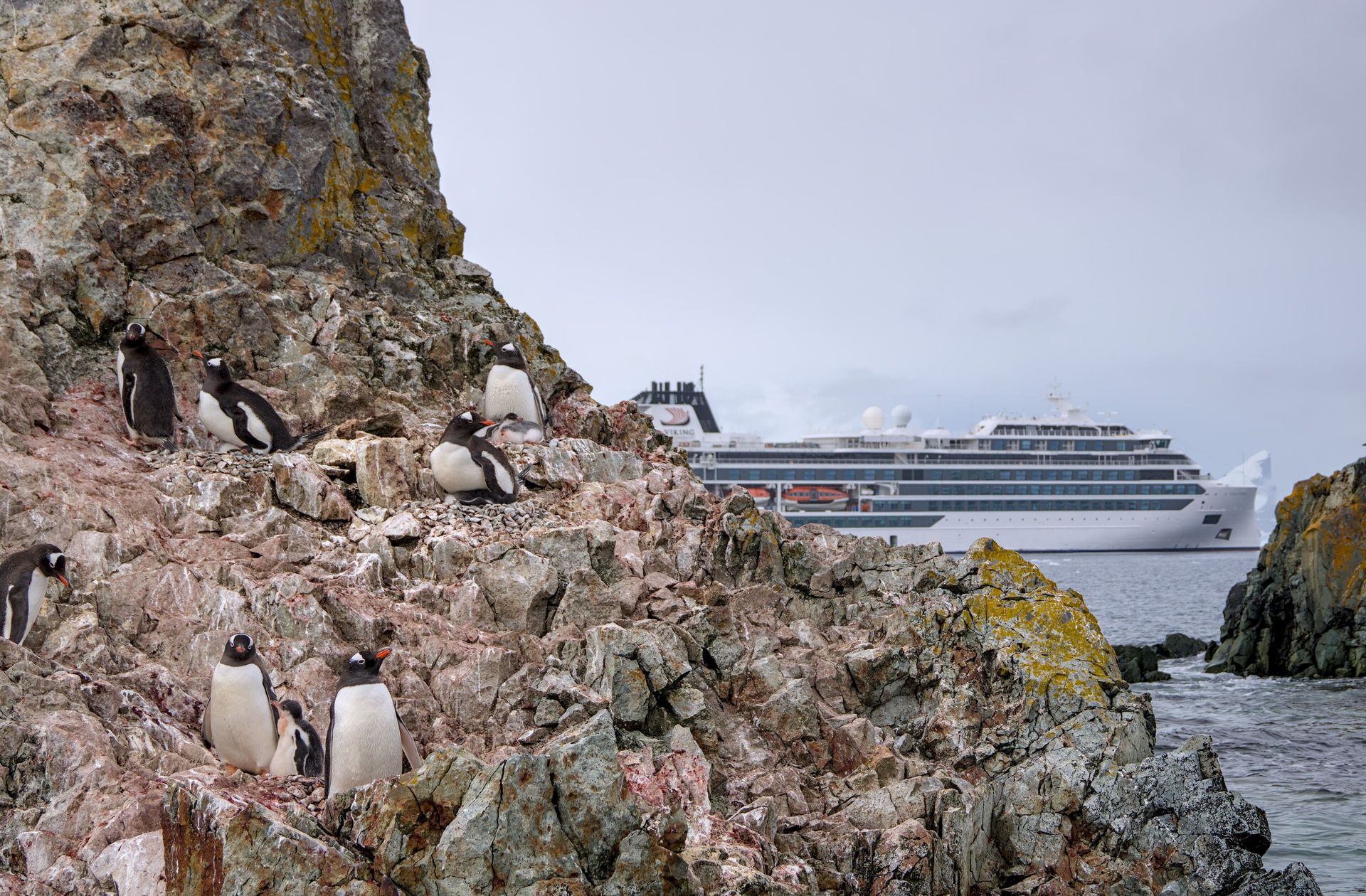
What are the rules for visiting Antarctica? Permits, wildlife and drones
The rules every Antarctic cruise passenger follows: who holds the permit, the IAATO and Treaty landing limits, wildlife distances, biosecurity, drones, and South Georgia's entry permit and fee.
The short answer
On an organized cruise you need no permit of your own: your operator gets approval from its national government. Ashore, no more than 100 passengers from a ship may be at a site at once, ships carrying more than 500 make no landings, and you keep at least 16 feet (5 m) from wildlife. Boots are disinfected every landing, recreational drones are banned, and South Georgia charges £250 per person.
Facts checked October 15, 2026 against 28 sources.
Antarctica needs no visa, but every tourist visit to it is regulated. On an organized cruise you need no permit of your own: your operator gets approval from its national government each season.12 The rules come from the Antarctic Treaty and from IAATO, the tour operators' association, and the ones you will notice are these: no more than 100 passengers from a ship ashore at once, no landings from ships carrying more than 500, at least 16 feet (5 m) between you and wildlife, disinfected boots before and after every landing, nothing taken home and no recreational drones.3451
The rules matter because the numbers are no longer small. The Treaty Secretariat counts more than 100,000 tourists a year, and about 98% of tourist voyages go to the Antarctic Peninsula between October and April.6 IAATO counted 85,195 landed visits in 2025-26, plus 27,217 cruise-only visitors who never went ashore.7 This page quotes the primary texts; the briefing on your ship is the final word for each landing.
Do you need a permit to visit Antarctica?
Not if you go with a tour operator: the operator holds the permit, and its passengers are covered by it. Every activity in Antarctica, tourism included, must pass an environmental impact assessment by a national authority, and IAATO members apply for their permits every year, showing their trips will have "less than a minor or transitory impact".1 The UK government, for example, says a passenger on an organized visit is unlikely to need a permit because "your tour operator would usually arrange this", though it suggests confirming that with the operator.2
What you personally carry is a passport, any visa needed for Argentina or Chile, where most trips start, and, if your voyage lands on South Georgia, an entry permit that the operator can buy for you.9110 Private expeditions are different:
| Your situation | What is needed | Who handles it |
|---|---|---|
| Cruise with an IAATO operator | No permit of your own2 | The operator, through its national authority1 |
| Expedition organized in or leaving from the US | Advance notice to the State Department and environmental documents filed with the EPA, at least 90 to 180 days before departure depending on the document18 | The operator; a private traveler emails [email protected] at least 3 months ahead9 |
| Expedition organized in, or last leaving from, the UK, a British overseas territory or a Crown Dependency | A permit from the Foreign Office, applied for at least 4 months ahead, or 2 months for a repeat applicant2 | The organizer |
| Landing on South Georgia | An entry permit, £250 per person from July 1, 202610 | The operator or you |
Entering an Antarctic Specially Protected Area, which includes some historic huts, needs a separate permit from a national authority, carried during the visit.3 US citizens should know that the Antarctic Conservation Act applies to every American who goes to Antarctica, on any trip, and the State Department suggests asking your operator whether it has completed its advance notification.119
Who makes the rules for tourists in Antarctica?
The Antarctic Treaty parties set the rules, IAATO turns them into binding rules for its members, and national laws back both. The Treaty was signed on December 1, 1959 and entered into force on June 23, 1961; more than 50 countries are now part of it.1 Its 1991 Protocol on Environmental Protection applies to tourism as well as to government activities.12
- Treaty parties. Their consultative meeting gathered the tourism rules into one manual in 2021, updated the General Guidelines for Visitors in 2025, requires a report after every visit, and issues guidelines for the most visited sites, 45 of them on the Secretariat's list in October 2026.613
- IAATO. Founded in 1991, it takes part in Treaty meetings as an invited expert.146 In 2025-26, 58 of the 59 commercial passenger ships working in the Treaty area belonged to its members.15 Members that ignore its rules face its Compliance and Dispute Resolution Committee and sanctions by the membership.16
- National governments. They issue the permits and prosecute breaches under laws such as the US Antarctic Conservation Act.111
The Treaty's own binding version of the landing limits, Measure 15 (2009), is still listed as "not yet effective", so in practice the limits work through IAATO membership and the visitor guidelines.17 How to choose an Antarctica cruise explains what that means for your choice of ship.
What are the IAATO and Treaty landing rules?
Four limits apply at every landing. In the words of the Treaty's General Guidelines for Visitors:3
- "Only one ship may visit a site at any one time."
- "Vessels with more than 500 passengers shall not make landings in Antarctica."
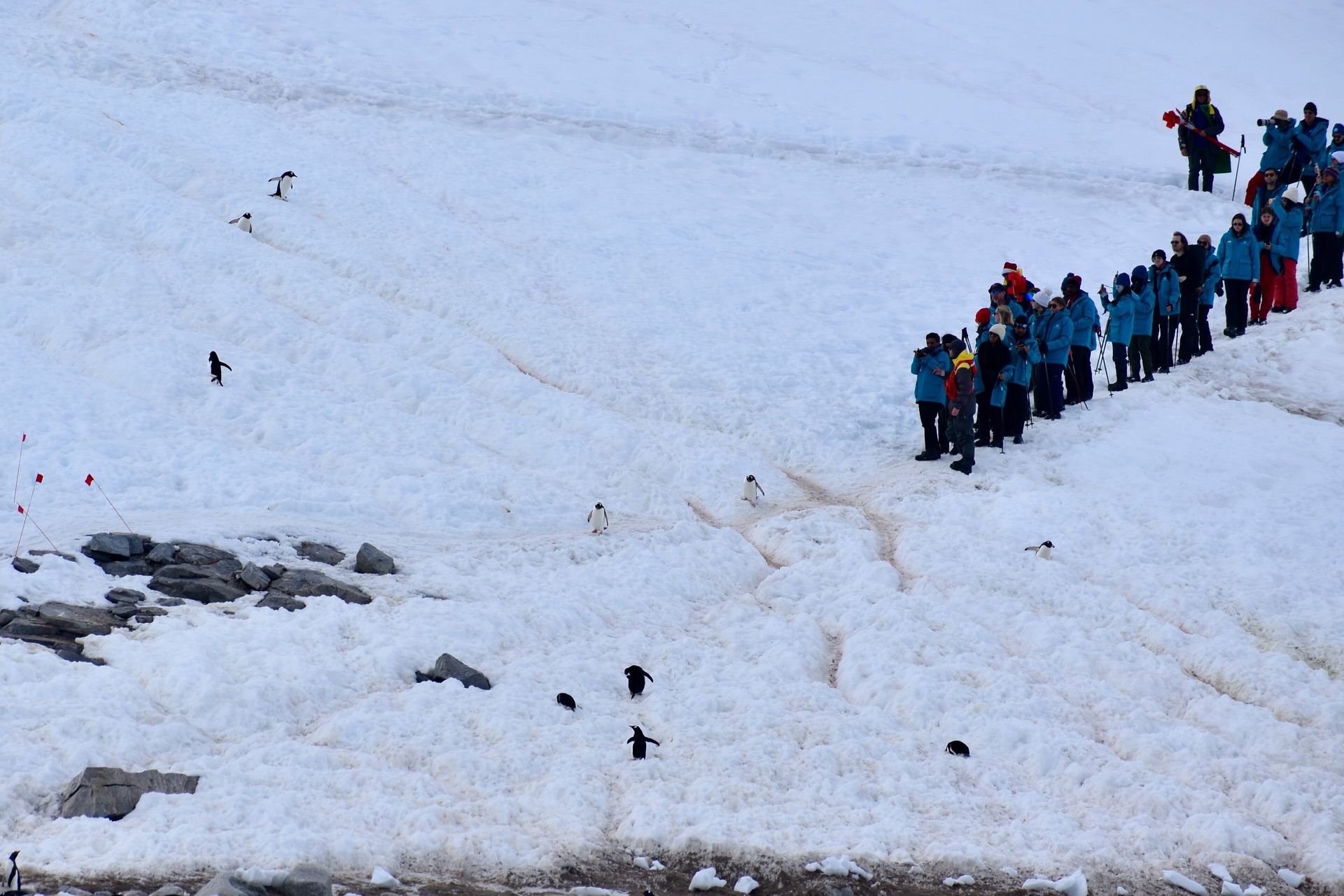
- "A maximum of 100 passengers may be ashore from a vessel at any one time, unless site specific guidance requires fewer passengers."
- "Maintain a 1:20 guide-to-passenger ratio at all sites, unless site specific advice requires more guides."
IAATO's bylaws say the same for its members: "Organizers of vessels that carry more than 500 passengers are not permitted to make landings", and no more than 100 visitors may be ashore at any one site at the same time, not counting the guides, leaders and crew running the landing.16
Site guidelines then tighten the limits place by place. Eleven of the 45 bar ships carrying more than 200 passengers, and 19 close the site from 22:00 to 04:00 to rest the wildlife.13 On Goudier Island, home of Port Lockroy, no more than 60 visitors may be ashore at once and 350 a day, only 35 at a time inside the old base, and no one lands from 18:00 to 07:00 without the base leader's agreement.13 What these limits mean for a 150-guest ship versus a 400-guest ship is set out in small vs large expedition ships, and ships over 500 are covered in big-ship Antarctica cruises.
The UK writes the 500-passenger limit into its permits, refusing any off-ship activity from bigger ships, and adds two rules of its own: it will not normally authorize helicopters for recreation where wildlife gathers, including the Peninsula, and it will not authorize snorkeling in the Antarctic.2
How close can you get to penguins and seals?
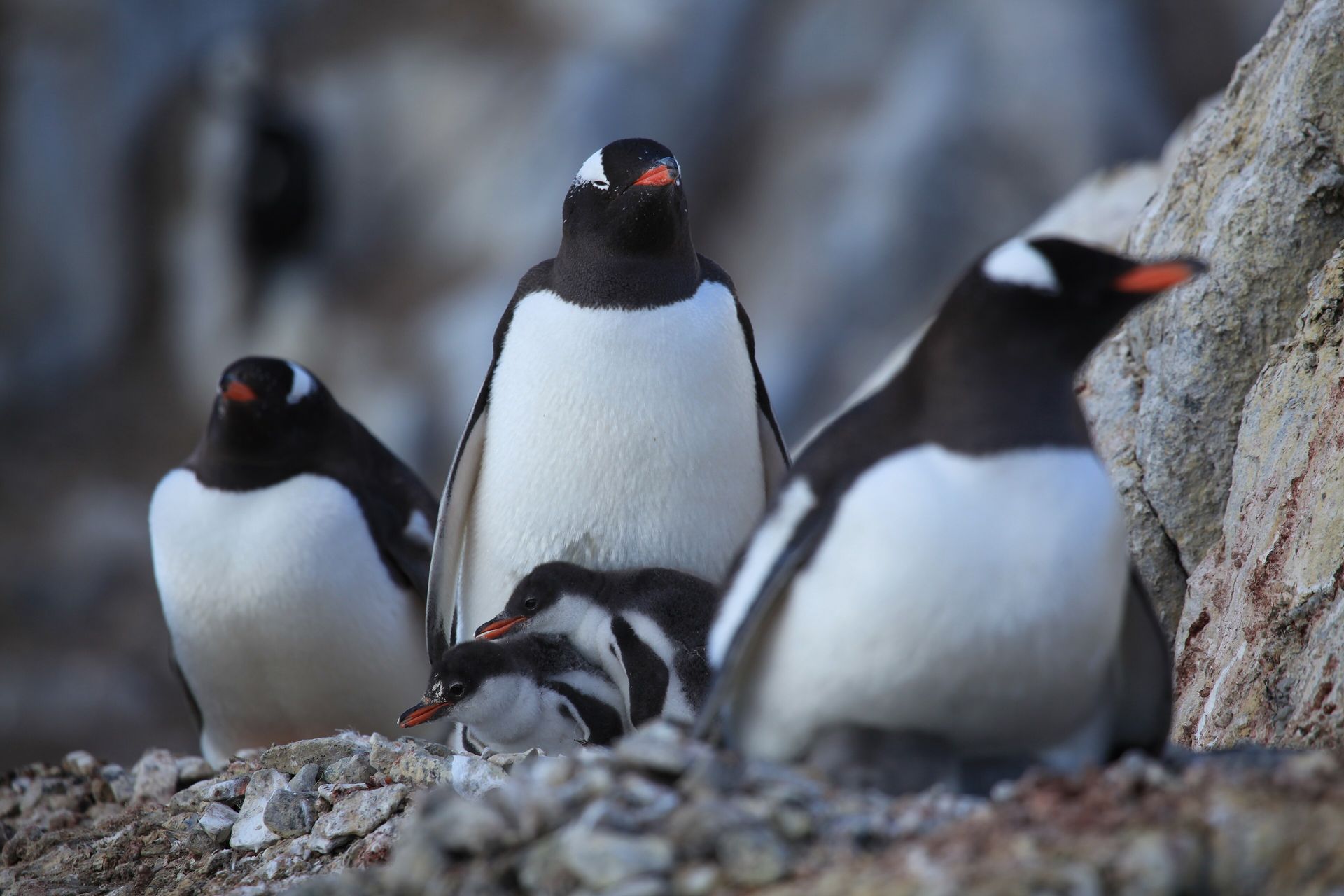
At least 16 feet (5 m) on land, and farther for some species and life stages. The Treaty's guidelines say "in general keep at least 5m from wildlife on land", and IAATO's distance includes your camera lens or any other equipment.318 IAATO sets its minimums in meters:
| Animal | Minimum distance |
|---|---|
| Penguins, other nesting seabirds and all wildlife on land | 16 ft (5 m)34 |
| Nesting albatrosses | 33 ft (10 m)4 |
| Displaying albatrosses and nesting southern giant petrels | 82 ft (25 m)4 |
| Fur seals and sea lions on land | 49 ft (15 m)19 |
| Leopard seals on land, ice or water | 16 to 49 ft (5 to 15 m)19 |
| Bull elephant seals jousting on land | 82 ft (25 m)19 |
| Whales, from a Zodiac or kayak | About 100 ft (30 m), or about 330 ft (100 m) when whales feed together20 |
| Whales, from a ship | About 330 ft (100 m), or about 490 ft (150 m) for ships over 20,000 tons20 |
| Birds rafting on the water | About 100 ft (30 m) for small boats and kayaks, about 330 ft (100 m) for ships4 |
IAATO's posters print 5 m as 15 feet, while the Treaty text gives meters only; we convert the meters exactly.43 The Treaty adds a wider berth from territorial animals such as fur seals: "Keep at least 15-25m away where practicable", 49 to 82 feet.3 IAATO's posters also ask you to give animals the right of way, stay out of penguin paths, fill in any deep footprints in the snow that could trap a penguin, never use flash or a selfie stick to get closer, and back away slowly if an animal comes to you.419 Species by species, Antarctic penguins and whales of Antarctica cover where you will see them.
What do you have to do for biosecurity in Antarctica?
Clean your gear before you leave home, then scrub and disinfect your boots before and after every landing. IAATO makes these procedures mandatory for its members; the aim is to stop seeds, soil and disease reaching Antarctica or spreading between sites.53
- At home: clean and disinfect anything that may touch the Antarctic environment, including clothes and gear.14 IAATO discourages Velcro, which traps seeds, and says anyone who has been hiking or visiting farms must clean boots and clothing before the trip.521
- Before the first landing: staff inspect your gear, and you vacuum backpacks, bags and pockets with the ship's vacuum cleaner. You may be asked to sign a declaration; IAATO's sample includes a promise not to take food ashore.5
- Every landing: "Before and after each landing, all visitors going ashore must walk through the boot-washing station", with brushes and a tray of disinfectant such as Virkon S at the gangway, and you brush off guano before boarding the Zodiac home.5
Avian flu added two rules. Avian influenza was confirmed in the Treaty area in February 2024, and for 2026-27 IAATO requires that you "do not sit or lie down in wildlife areas" and "do not place any equipment on the ground or snow in wildlife areas".14 It also suggests a separate set of clothes if you explore the gateway country first, and leaving visits to places with known bird flu until after the trip.14 Swan Hellenic warns that severe cases may limit a day to Zodiac cruising only.22 What to pack for Antarctica covers gear that cleans easily.
What are you not allowed to do in Antarctica?
You may not take anything, leave anything or touch any animal. The Treaty and IAATO guidance rule out:312
- Taking souvenirs: rocks, bones, eggs, feathers, fossils, plants, soil, meteorites, or anything from a building or historic site.
- Feeding, touching or handling birds or seals, or approaching them in ways that change their behavior.
- Walking on moss beds or lichen-covered slopes.
- Dropping litter, and open burning; smoking is allowed only in designated areas at stations or camps.
- Graffiti on rocks or buildings, and entering emergency refuges except in an emergency.
- Walking onto glaciers or large snowfields without the right equipment and experience.
- Using guns or explosives, or bringing pets, poultry or house plants.
Two more apply to cruise passengers. You may not eat or use a toilet ashore, even near a station or historic site;18 organized camping nights bring a portable toilet and carry all waste back to the ship.23 And you clean snow and grit off your boots before entering a historic hut.3 Research stations can be visited only with permission, reconfirmed 24 to 72 hours before arrival.12
Can you fly a drone in Antarctica?
Not for fun on a cruise. IAATO members do not allow recreational drones in Antarctica's coastal areas and review the ban each May; IAATO's own advice to visitors is to leave the drone at home.118 They allow authorized recreational drones in the interior under strict conditions, and any other flight needs a permit: operators must include drone flights in their own permit application, so ask before you pack one.1
The Treaty's visitor guidelines say "Unmanned aerial vehicles must not be used in the vicinity of wildlife", and its drone guidelines call for a precautionary approach, with any flight near wildlife justified in the environmental assessment.324 For Americans, the National Science Foundation notes that drone projects may need a waste permit under the Antarctic Conservation Act.11
South Georgia is stricter still. Recreational drones are not permitted, and any flight needs a Regulated Activity Permit, with "no exemption for drones weighing less than 250g".2526 Permitted landscape flights must stay 660 feet (200 m) from wildlife colonies and at least 260 feet (80 m) above the ground.26
What are the rules for visiting South Georgia?
South Georgia is a British overseas territory with its own government, laws and entry permit:27 £250 per person from July 1, 2026, rising to £275 from July 1, 2027 and £300 from July 1, 2028.10 Permits must be applied and paid for at least 8 days before arrival or a £50 late fee applies, they are valid for 40 days, and operators may buy them for their passengers, so ask whether the fee is in your fare.10
The other rules that shape a visit:
- Ships must make their first landing at Grytviken unless the government grants an exception.25
- Landing anyone anywhere other than an authorized site is a criminal offense.25
- No overnight stays ashore are allowed except by authorized expeditions, and camping needs its own permit.2528
- Helicopters and other aircraft are not permitted.28
- Landings on the South Sandwich Islands are prohibited without a permit.25
The island's biosecurity and wildlife routine, including its no-sitting rule, is set out on the South Georgia page.
What happens if you break the rules?
You can be fined or jailed. For US citizens, breaking the Antarctic Conservation Act can bring a penalty of up to about $34,457 and a year in prison per violation.11 On South Georgia, a conviction under the wildlife law can mean up to 2 years in prison, an unlimited fine, or both.27 Operators answer too: US operators face civil and criminal enforcement under the EPA's rule, and IAATO members face sanctions from the association.816
What should you do before you go?
Five checks cover nearly everything:
- Book with an IAATO member and ask whether it has handled your permit and advance notification.92
- If the trip includes South Georgia, ask whether the £250 entry permit is in the fare.10
- Check visas for Argentina or Chile.1
- Clean boots, bags and clothes at home, and avoid Velcro where you can.5
- Leave the drone at home unless your operator has it in its permit.1
Planning to kayak or camp? Those trips follow the same rules, with extra ones for overnight stays, covered in kayaking and camping in Antarctica.
Places in this guide
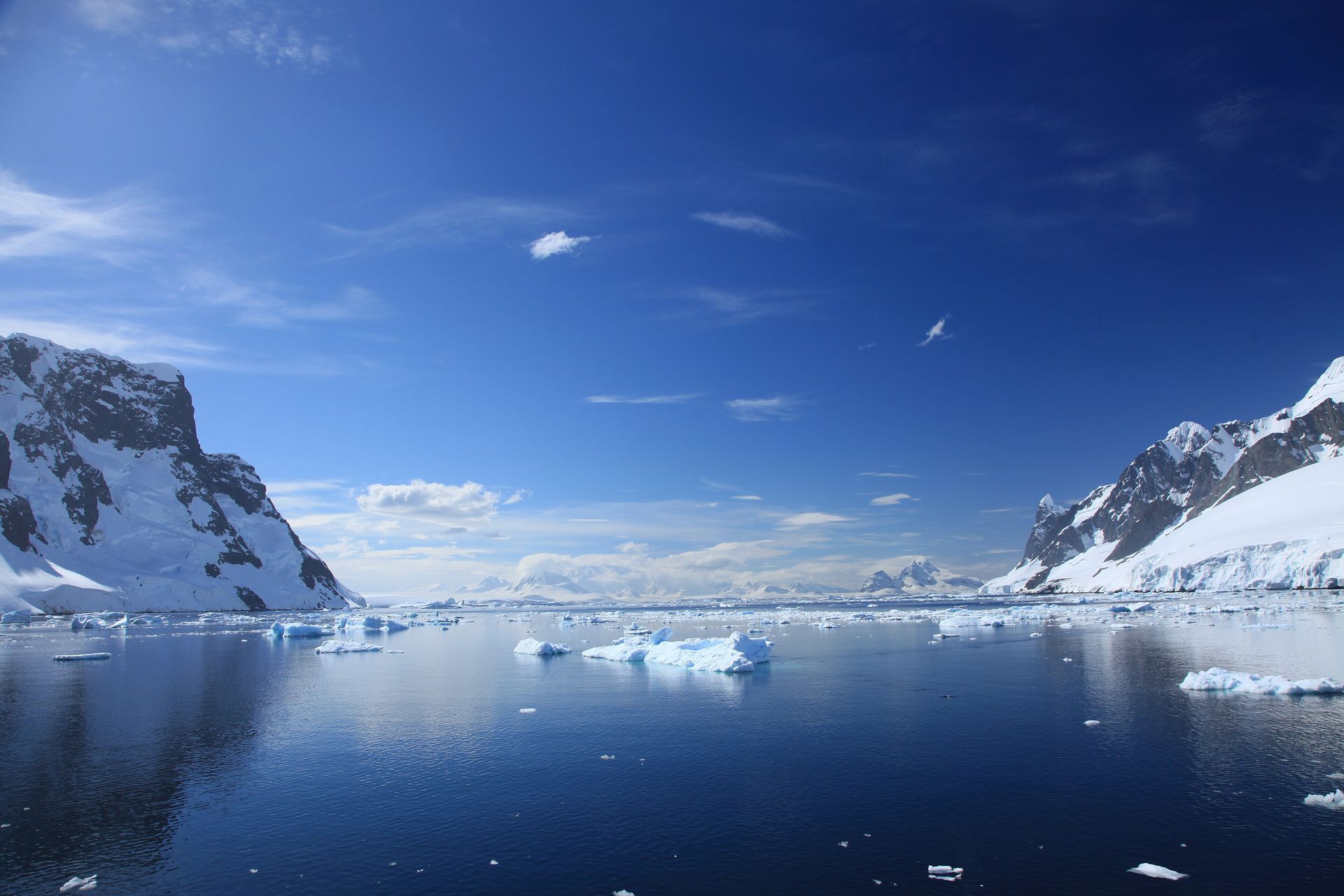
Antarctic Peninsula
Planning an Antarctic Peninsula cruise: how long trips last, where ships land, the best month by temperature and wildlife, landing rules, ship sizes and starting fares.
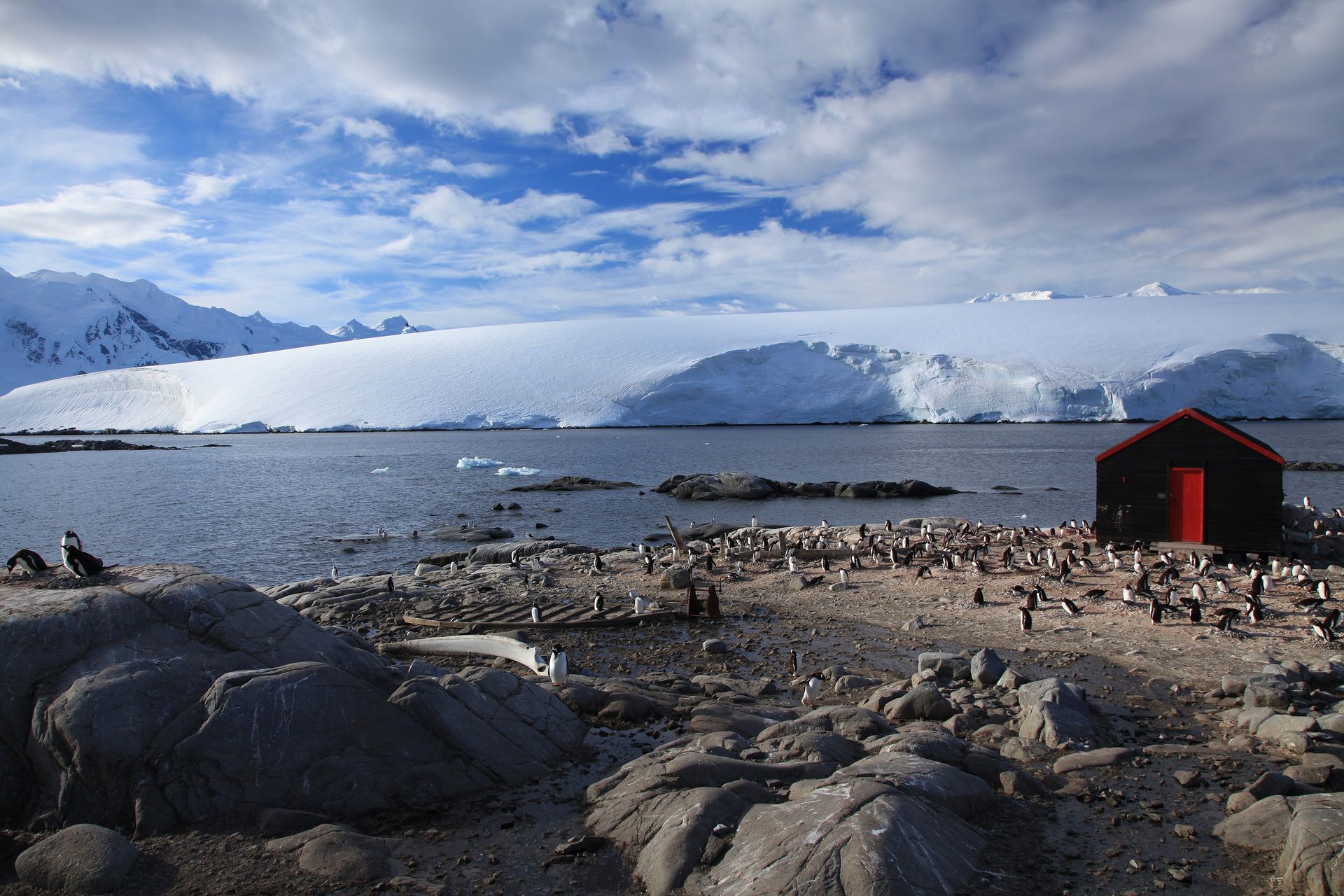
Port Lockroy
Visiting Port Lockroy: the Base A museum and Penguin Post Office on Goudier Island, its 60-visitor limit, how long postcards take, the gentoo colony and which voyages stop there.
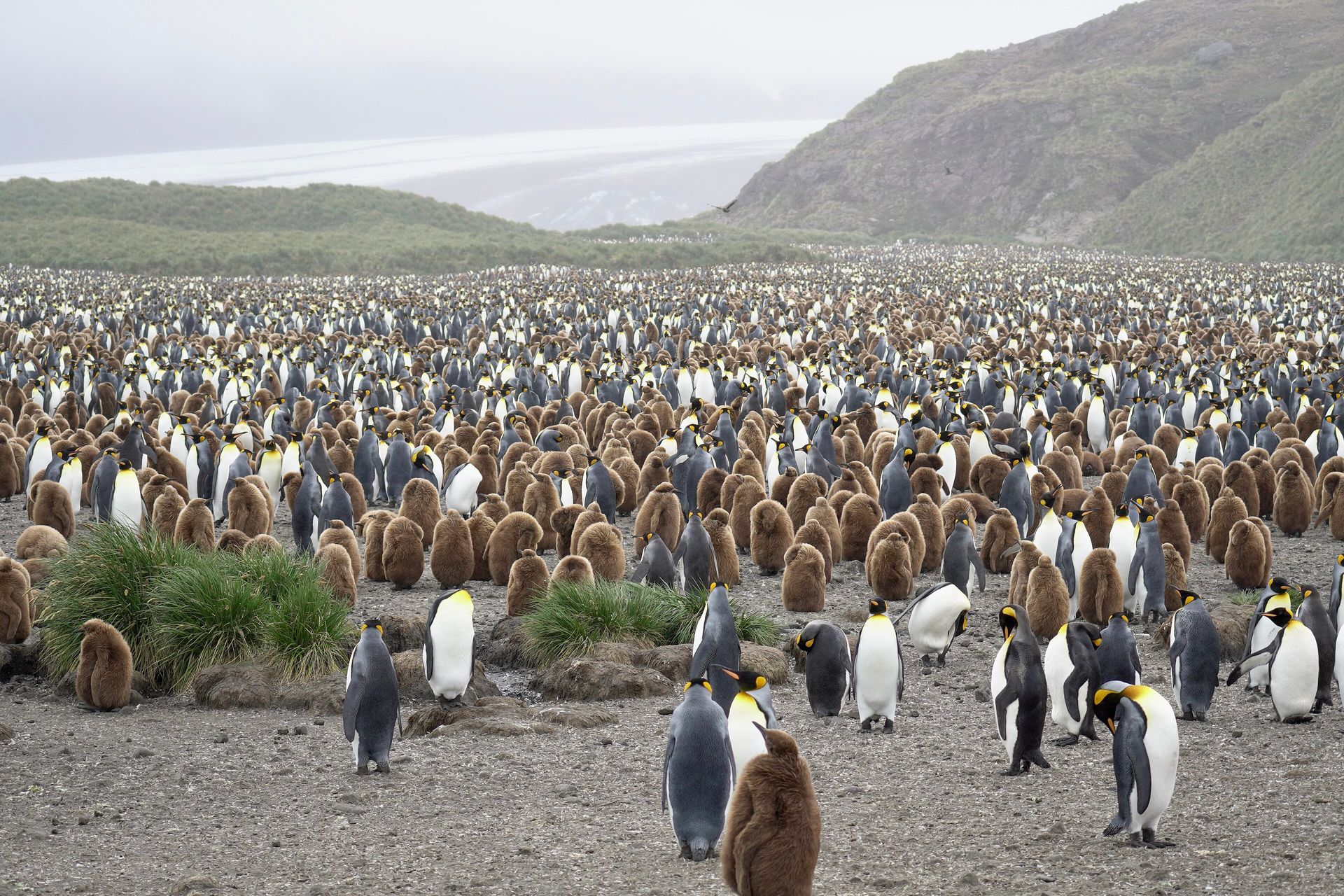
South Georgia
Where South Georgia is and how to visit it: which voyages go and what they cost, whether the extra week is worth it, the best months, the wildlife and the government's rules.
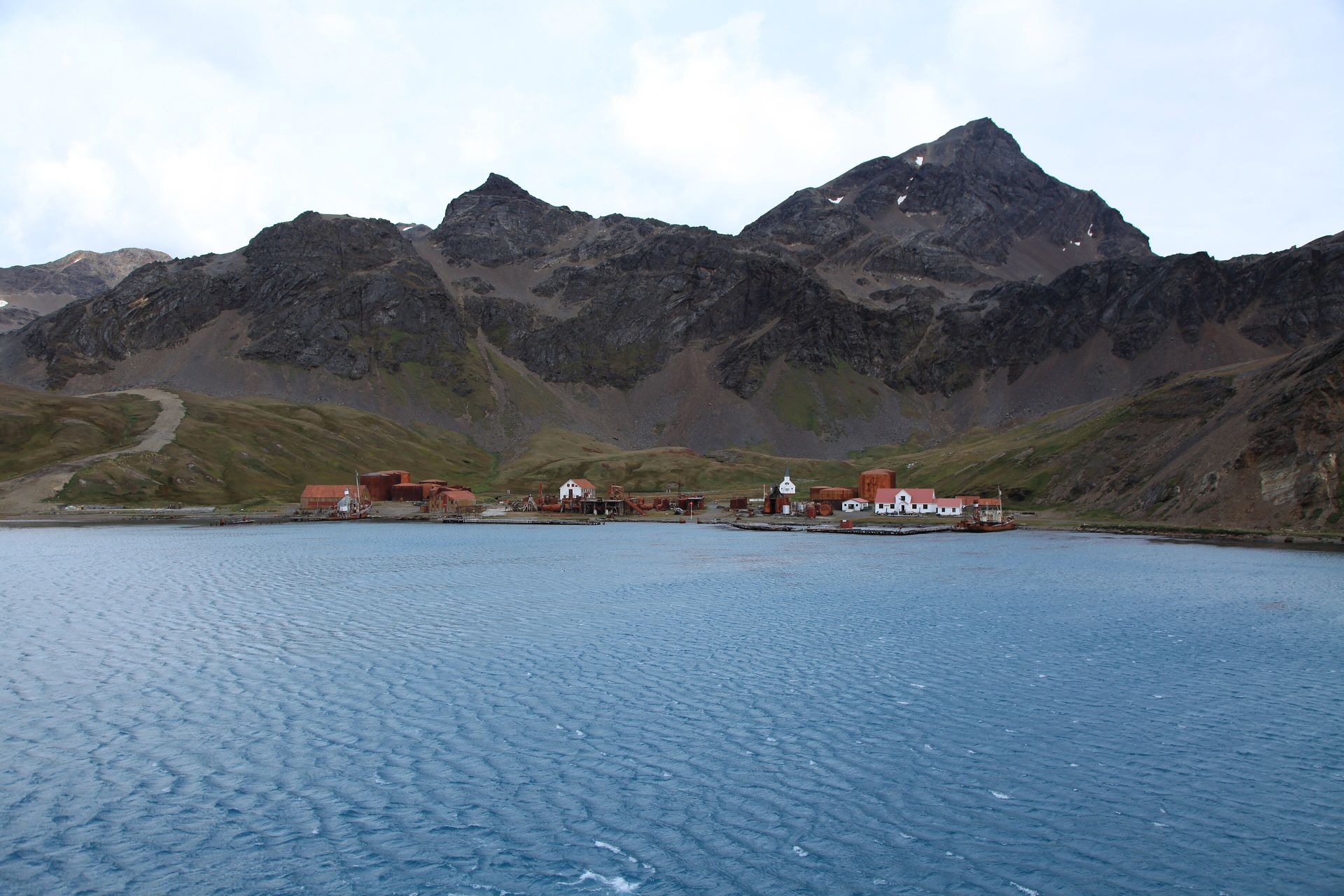
Grytviken
The South Georgia whaling station where Shackleton is buried: his grave, the museum and church, the government's landing rules and permit fee, and the voyages that call there.
More guides
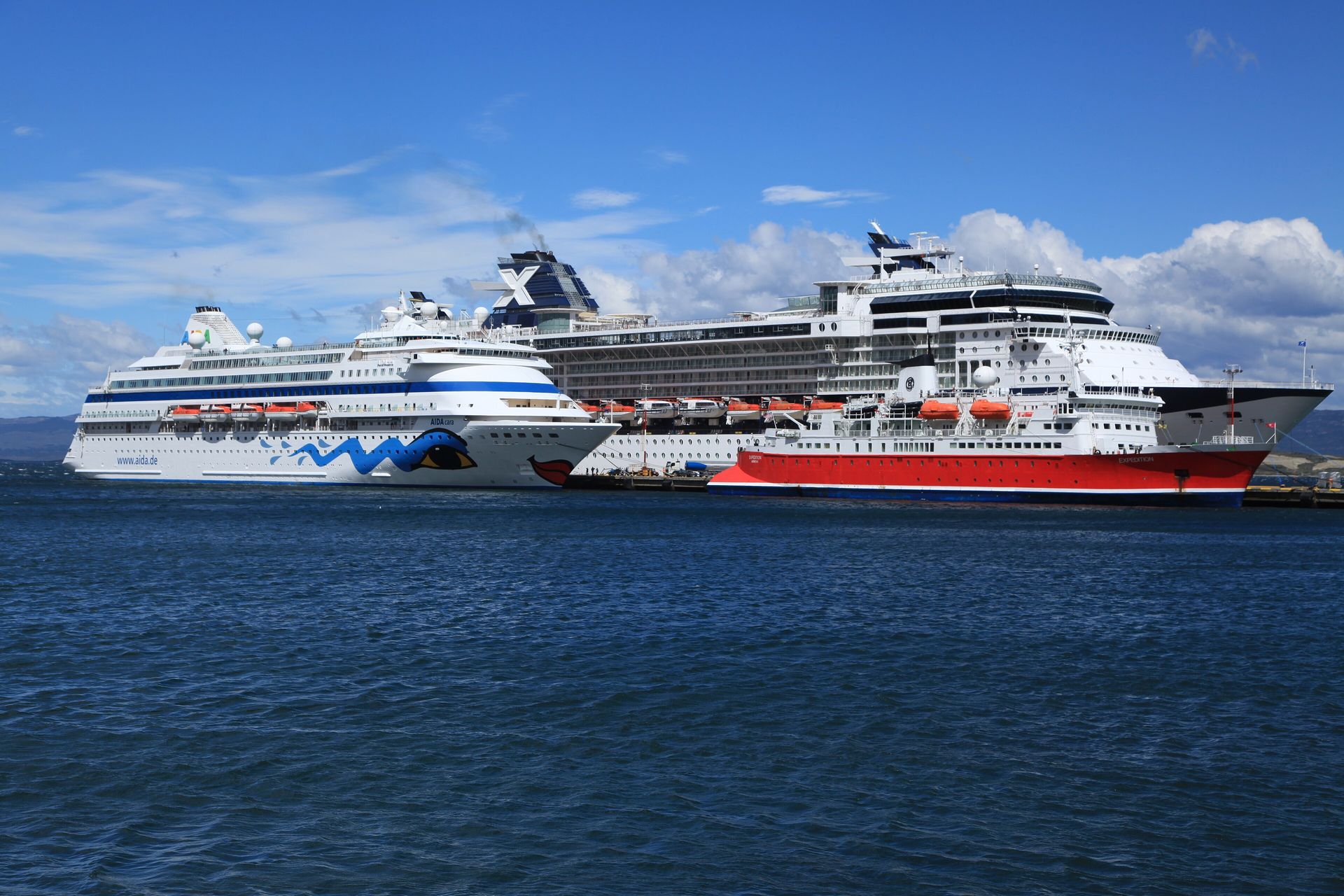
What is the cheapest way to get to Antarctica?
The lowest 2026-27 fares on eight expedition lines, what triple and quad cabins and shoulder dates save, what last-minute deals really exist, and what the cheapest trips leave out.
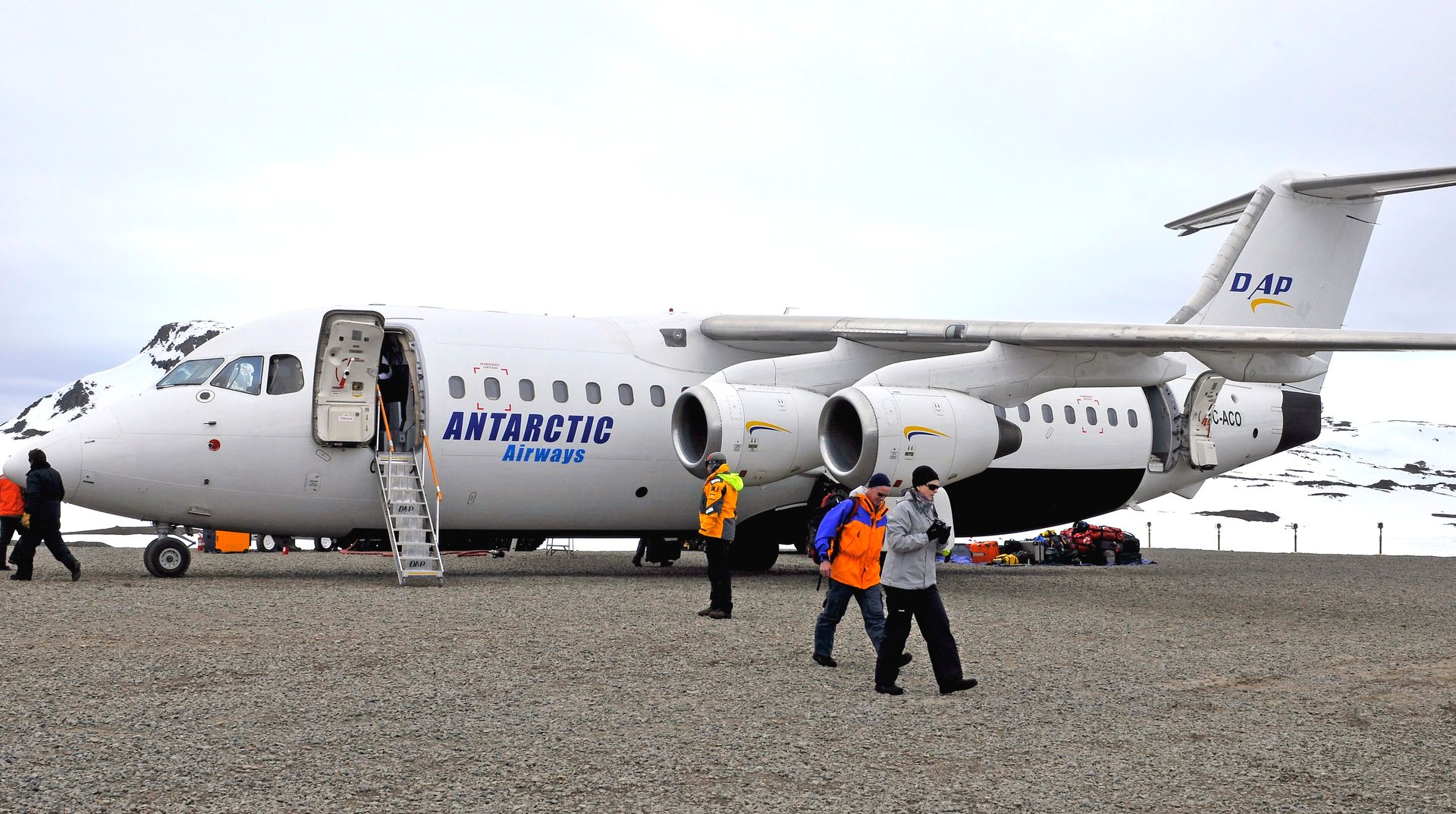
Should you fly or sail across the Drake Passage?
Flying over the Drake Passage saves about three days but costs more per day and hangs on the weather at King George Island. Fares, delay records, refund rules and who should pick which.
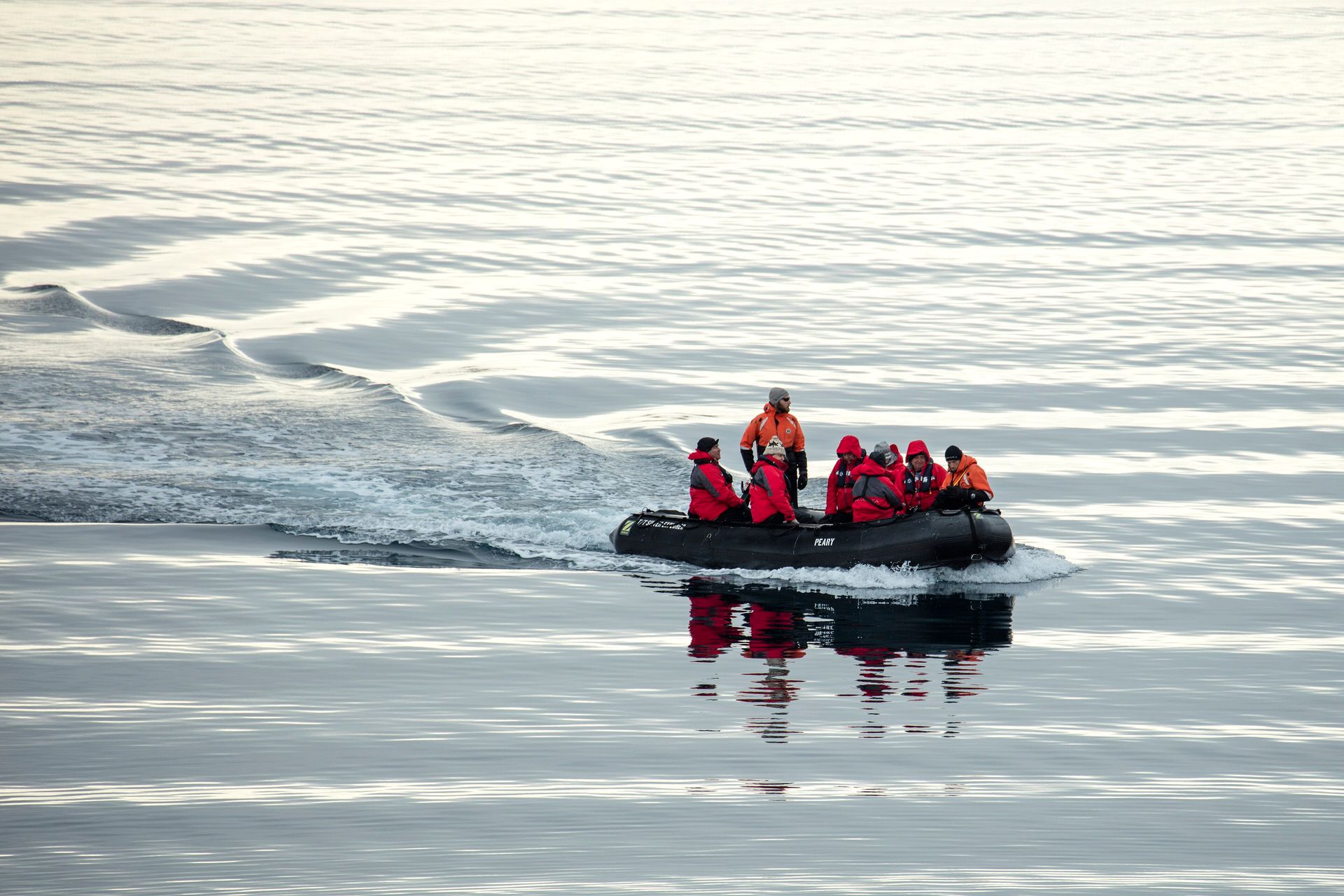
How to choose an Antarctica cruise
How to pick an Antarctica cruise: ship size and landings first, then route, the Drake crossing, activities, comfort and price, with eight expedition ships compared and a pick for each traveler.
When is the best time to visit Antarctica?
Antarctica month by month, October to March: temperatures, daylight, sea ice, penguin and whale timing, fares and crowds, with the best month for each kind of traveler.
Is a balcony worth it on an Antarctica cruise?
What a balcony costs on eight real Antarctic ships, which ships include one in every cabin, and the sea days, scenic passages and cruise-only trips where it pays off.
How much does an Antarctica trip cost?
Published 2026-27 fares from eight Antarctic expedition lines, cabin by cabin, plus the flights, hotel nights, insurance, tips and gear around them, with a worked budget for a couple.
Sources
- 1.Frequently asked questions (membership, regulations and permits, visas), International Association of Antarctica Tour Operators (IAATO). Accessed October 15, 2026.
- 2.Visiting Antarctica (who needs a permit and how to apply), UK Foreign, Commonwealth & Development Office, Polar Regions Department (GOV.UK). Accessed October 15, 2026.
- 3.General Guidelines for Visitors to the Antarctic (ATCM), English poster, Antarctic Treaty Consultative Meeting (poster published by IAATO). Accessed October 14, 2026.
- 4.IAATO Operational Procedures for Viewing Birds (A3 poster, English), International Association of Antarctica Tour Operators (IAATO). Accessed October 15, 2026.
- 5.IAATO Field Operations Manual: Boot, Clothing, and Equipment Decontamination Procedures for Marine Operations (updated 2025-26), International Association of Antarctica Tour Operators (IAATO). Accessed October 15, 2026.
- 6.Tourism and Non-Governmental Activities, Secretariat of the Antarctic Treaty. Accessed October 15, 2026.
- 7.Data & Statistics, International Association of Antarctica Tour Operators (IAATO). Accessed October 14, 2026.
- 8.40 CFR Part 8: Environmental Impact Assessment of Nongovernmental Activities in Antarctica, U.S. Environmental Protection Agency (Electronic Code of Federal Regulations). Accessed October 15, 2026.
- 9.Antarctica Travel Advisory, U.S. Department of State, Bureau of Consular Affairs. Accessed October 15, 2026.
- 10.Visitor Permit Fee Update, 3 June 2026, Government of South Georgia & the South Sandwich Islands. Accessed October 14, 2026.
- 11.Antarctic Conservation Act and Permits, U.S. National Science Foundation, Office of Polar Programs. Accessed October 15, 2026.
- 12.During Your Visit, International Association of Antarctica Tour Operators (IAATO). Accessed October 15, 2026.
- 13.Visitor Site Guidelines (landing requirements for all 45 published site guidelines), Secretariat of the Antarctic Treaty. Accessed October 14, 2026.
- 14.IAATO 2026-27 Avian Influenza & Wildlife Disease Protocols, International Association of Antarctica Tour Operators (IAATO). Accessed October 15, 2026.
- 15.IAATO Overview of Antarctic Vessel Tourism: The 2025-26 Season, and Preliminary Estimates for 2026-27 (ATCM 48 IP 200 rev. 1), International Association of Antarctica Tour Operators (IAATO). Accessed October 14, 2026.
- 16.Bylaws, International Association of Antarctica Tour Operators (IAATO). Accessed October 14, 2026.
- 17.Measure 15 (2009): Landing of Persons from Passenger Vessels in the Antarctic Treaty Area, Secretariat of the Antarctic Treaty. Accessed October 14, 2026.
- 18.Don't Hug the Penguins, and Other Rules in Antarctica, International Association of Antarctica Tour Operators (IAATO), blog. Accessed October 15, 2026.
- 19.IAATO Operational Procedures for Viewing Seals (A3 poster, English), International Association of Antarctica Tour Operators (IAATO). Accessed October 15, 2026.
- 20.IAATO Marine Wildlife Watching Guidelines (Whales, Dolphins, Seals and Seabirds) for Vessel and Zodiac Operations (revised 2007), International Association of Antarctica Tour Operators (IAATO), attachment to ATCM XXX. Accessed October 15, 2026.
- 21.Don't Pack a Pest! (A3 poster, English), International Association of Antarctica Tour Operators (IAATO). Accessed October 15, 2026.
- 22.Frequently Asked Questions, Swan Hellenic. Accessed October 15, 2026.
- 23.Antarctica Camping Package (outline, preparation notes, terms and conditions), G Adventures. Accessed October 15, 2026.
- 24.Environmental Guidelines for operation of Remotely Piloted Aircraft Systems (RPAS) in Antarctica (Resolution 4 (2018) Annex, v 1.1), Antarctic Treaty Consultative Meeting (Secretariat of the Antarctic Treaty). Accessed October 15, 2026.
- 25.Visiting South Georgia 2025-26: Information for Visitors and Operators, Government of South Georgia & the South Sandwich Islands. Accessed October 15, 2026.
- 26.Standing conditions for drone operations on South Georgia & the South Sandwich Islands (V1.3, December 2025), Government of South Georgia & the South Sandwich Islands. Accessed October 15, 2026.
- 27.Frequently asked questions, Government of South Georgia & the South Sandwich Islands. Accessed October 14, 2026.
- 28.How to Visit, Government of South Georgia & the South Sandwich Islands. Accessed October 14, 2026.