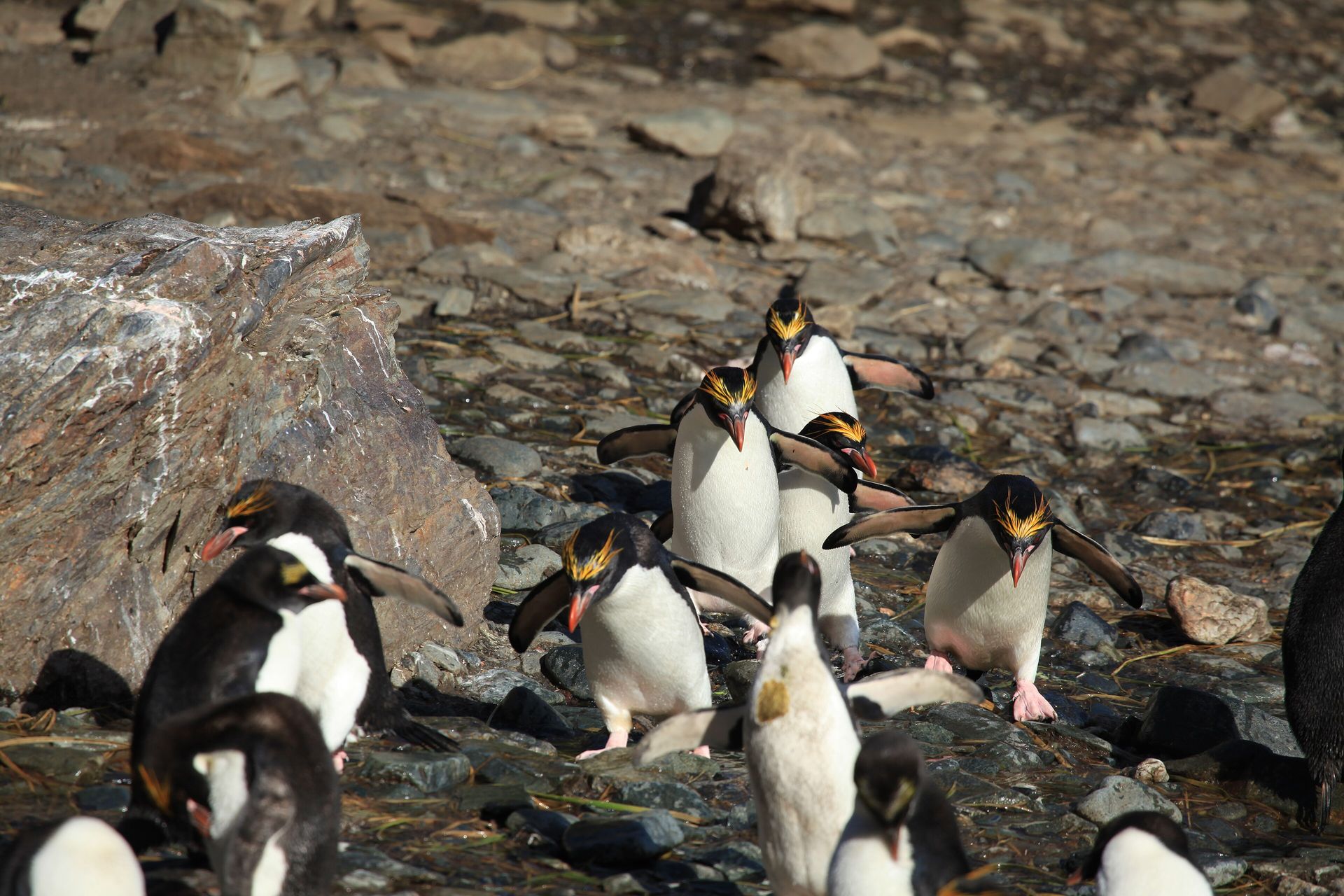
Macaroni penguin
Macaroni penguin facts for travelers: how many there are, the South Georgia landings with macaroni colonies, when to go, how close you may get, the voyages that name a colony, and how to tell one from a rockhopper.
Where can you see macaroni penguins?
The macaroni is a crested penguin, about 28 in (70 cm) tall, with golden-orange plumes that meet on its forehead. About 6.3 million pairs breed on subantarctic islands, and South Georgia, with over 1 million, is where travelers see them: Cooper Bay, Hercules Bay, Rookery Point and Royal Bay, in the October to March breeding season. The IUCN rates it Vulnerable.
Facts checked October 15, 2026 against 29 sources.
Macaroni penguin facts
- July: no trips
- August: no trips
- September: no trips
- October: no trips
- November: no trips
- December: best
- January: best
- February: best
- March: no trips
- April: no trips
- May: no trips
- June: no trips
Best Season
- Scientific name
- Eudyptes chrysolophus
- Where to see
- Subantarctic islands of the Southern Ocean, with key populations on Crozet, Kerguelen, Heard Island and South Georgia. On a trip: South Georgia's Cooper Bay, Hercules Bay, Rookery Point and Royal Bay; a few pairs among rockhoppers in the Falklands; and Hannah Point on Livingston Island.
- Best months
- December to February
- Population
- About 6.3 million breeding pairs in at least 258 colonies at about 55 sites (Crossin et al. 2013), down 47% from about 9 million; over 1 million pairs on South Georgia (government estimate); BirdLife's 2020 Red List assessment uses 12 million mature birds (1998)
- Status
- Vulnerable, decreasing (IUCN Red List, assessed 2020; Vulnerable since 2000)
The macaroni penguin (Eudyptes chrysolophus) is a crested penguin with golden-orange plumes that start on its forehead and sweep back past its eyes.12 It stands about 28 in (70 cm) tall and weighs 8.8 to 15.4 lb (4 to 7 kg).3 Yes, it is a real species, and the British Antarctic Survey calls it the most numerous penguin, yet most travelers never see one: it breeds on remote subantarctic islands, and the place cruises reach its colonies is South Georgia, where it outnumbers every other penguin.1524 The other penguins you meet there have their own pages, the king and the gentoo, and our penguin species guide compares them all.
How many macaroni penguins are there, and where do they live?
About 6.3 million breeding pairs in at least 258 colonies at some 55 sites, by the last global estimate in 2013, which BirdLife International reads as a 47% fall from about 9 million pairs.2 BirdLife's 2020 Red List assessment still uses an older count of 12 million mature birds, from 1998.2 Five island groups hold most of them:
| Where | Breeding pairs |
|---|---|
| Crozet Islands, Indian Ocean | 2.2 million, 1 million of them on one island |
| Kerguelen Islands, Indian Ocean | 1.8 million |
| Heard Island, Australia | About 1 million, with a huge colony near Cape Lockyer |
| South Georgia | Over 1 million by the South Georgia government's estimate (BirdLife: about 1 million), mostly on the Willis Islands, Welcome Islands and Bird Island, with more at Cooper Bay and Annenkov Island |
| Marion Island, South Africa | 290,000 in 2008-09, 267,000 by 2012-13 |
Of the five, South Georgia is the only one on the voyages we priced. Figures are from BirdLife, the Australian Antarctic Division and the South Georgia government.234 Falklands Conservation still gives South Georgia more than 3 million, an older figure.1 Smaller numbers breed in southern Chile, where Diego Ramírez has the largest colony at 15,600 pairs, and on the South Sandwich, South Orkney and South Shetland Islands.2 On Zavodovski, in the South Sandwich Islands, macaronis grew 28% from 2011 to 2016 and have held steady since, while occupied chinstrap nests fell 63% by 2025, so the macaroni is now the island's most abundant penguin.56
Where can you see macaroni penguins?
At four landing sites on South Georgia. The government's 2025-26 list of authorized visitor sites names a macaroni beach at Cooper Bay, a macaroni landing on the north shore of Hercules Bay, the Rookery Point walk from Cobblers Cove to a macaroni colony, and a small beach beside the macaroni colony in Royal Bay.7 None of the four is marked as suitable for ships carrying more than 200 passengers, and the biggest colonies, on the Willis and Welcome islands and Bird Island, are not on the list at all.74 Macaronis nest on steep slopes that drop into the sea; in places their claws have scratched marks into the rock.4
| Site | What the sources say |
|---|---|
| Cooper Bay | Oceanwide calls it a fine place for a Zodiac cruise with a macaroni rookery; in 2022-23 it tied with Godthul as the most popular kayaking spot on the island after Grytviken89 |
| Rookery Point, from Cobblers Cove | An extended walk to a macaroni colony; 4 visits with 114 passengers in 2022-2379 |
| Hercules Bay and Royal Bay | Landing beaches near macaroni colonies; Royal Bay's is about 3 miles (5 km) west of Cape Charlotte7 |
Away from South Georgia, the odds drop fast. The Falklands have only about 24 pairs, at 12 sites, nesting among rockhoppers; Saunders, Pebble and Bleaker islands are where tourism and cruise sources mention them.1101118 On the Antarctic Peninsula a small number nest at Hannah Point on Livingston Island, which ships of 200 or fewer may land at, though its guidelines strongly discourage visits from October until mid-January, allow one ship a day after that, and IAATO recorded only 2 landings there in 2025-26; at Half Moon Island counters usually find one or two adults among the chinstraps.121314 Our chinstrap penguin page covers both sites.
When is the best time to see macaroni penguins?
December to February, in the middle of a breeding season that runs from October to March on South Georgia.4 Birds arrive in late October and lay about two weeks later.15 Each female lays two eggs, and the second, bigger egg is usually the only one that hatches; chicks leave at 60 to 70 days.3 In the Falklands, immature and non-breeding birds start to moult from mid-January and all have gone by the end of April, so voyages in late March and April catch the colonies emptying.1
Which voyages give the best odds of seeing macaroni penguins?
A South Georgia voyage between November and February on a ship of 200 passengers or fewer, which is small enough for every macaroni landing site. Few operators name a colony in their itineraries, and no one publishes a success rate. These are the 2026-27 voyages we found whose itineraries name macaroni penguins at a stop, with their lowest open fares:
| Voyage | Departure | Macaroni sites named | Lowest published fare, per person |
|---|---|---|---|
| Antarctica21 Antarctica and South Georgia Air-Cruise, Magellan Explorer, 18 days, fly Punta Arenas to King George Island, sail to Ushuaia | March 7, 2027 | Cooper Island, with "a large colony of macaroni penguins"; the island is not on the government's list of visitor landing sites167 | From $17,995 in a porthole cabin, two sharing, but the only cabin open was a penthouse suite at $28,995 per person, two sharing; flight to King George Island, meals and drinks included; read October 15, 20261716 |
| HX South Georgia and Falklands, MS Fram, 18 days, Santiago to Montevideo | March 12, 2027 | Bleaker Island in the Falklands, where HX lists macaronis among 40 breeding birds18 | $10,731, two sharing (was $15,732), after HX's 130th anniversary discounts, the extra one, per HX's press release, for bookings made by November 9, 2026; Santiago hotel night, flight to Punta Arenas and South Georgia permit included; read October 14, 20261819 |
| Oceanwide Expeditions Atlantic Odyssey, Plancius, 24 days, Ushuaia to St Helena | April 4, 2027 | Cooper Bay, by Zodiac8 | $9,450, one berth in a shared four-berth porthole cabin; no flights; read October 15, 202620 |
Our pick: none of these sails at the peak. The voyages that name South Georgia colonies go in March and April, as the season winds down, and the Falklands ones depend on a handful of pairs.41 We would take Oceanwide's November 23 Plancius voyage instead, while the birds are on their nests: it spends four days on South Georgia with 108 passengers, so every macaroni site is open to it, though its itinerary does not promise one.2122 Its $12,575 fare was for the last men's berth in a shared triple, so it suits a man traveling alone, not a couple.20 Weigh the extra days in is South Georgia worth it.
How close can you get to macaroni penguins?
On South Georgia, never closer than 16 ft (5 m) to wildlife, and at least 33 ft (10 m) from nesting birds, which covers a macaroni colony.7 Bird flu has closed sites: the government shut its first one in October 2023 after a mass die-off at Cooper Bay, and 19 were closed at the peak in January 2024.23 In 2024-25 no site was closed, but expedition leaders aborted 19 landings, at Cooper Bay among other sites, when visitors could not keep away from animals that might carry the virus.24 In the Falklands, stay outside the colony and at least 20 ft (6 m) away.25 For the rules south of 60°S, see our Antarctica visitor rules guide.
Why is it called a macaroni penguin?
After a hairstyle. The British Antarctic Survey says the name comes from the "Macaroni coiffure" of 18th-century dandies; the penguin's version is a pair of orange, tufty plumes for eyebrows.15 The scientific name means "good diver with a golden crest".3
Is a rockhopper penguin the same as a macaroni penguin?
No. They are separate species of crested penguin that sometimes nest side by side, and in the Falklands they even produce hybrids.1 The crest is the quickest way to tell them apart:
| Macaroni | Southern rockhopper | |
|---|---|---|
| Crest | Golden-orange plumes that meet on the forehead | A thin, straight yellow eyebrow ending in plumes |
| Size | 28 in (70 cm), 8.8 to 15.4 lb (4 to 7 kg) | 19 in (48 cm), 7.7 to 8.8 lb (3.5 to 4 kg) |
| Face | Pink patch at the corner of a stout orange-red bill | Red eyes and a short reddish-brown bill |
| Where travelers see it | South Georgia | The Falklands |
Sources: Falklands Conservation, the Australian Antarctic Division and BirdLife.126327 Only the macaroni and the royal penguin have crests that meet on the forehead; the royal has a white face, and the two are so alike genetically that BirdLife says their taxonomic status needs a fresh look.2 More on the smaller bird on our rockhopper penguin page.
What do macaroni penguins eat, and how long do they live?
Mostly krill, with fish. At South Georgia they rely heavily on Antarctic krill; they can dive deeper than 720 ft (220 m) but usually feed at 50 to 165 ft (15 to 50 m), on trips of a day to three weeks.23 Fur seals and leopard seals kill adults, and skuas, sheathbills and giant petrels take eggs and chicks.3 Lifespans are not well known: the Australian Antarctic Division estimates 20 years or more, Falklands Conservation 10 to 15 in the wild.31
Are macaroni penguins endangered?
Not endangered, but Vulnerable, as they have been on the IUCN Red List since 2000, with a falling population.2 South Georgia shows the scale: about 5 million pairs in the 1980s, about 2.7 million in the mid-1990s and over 1 million now, by the South Georgia government's estimate, and the British Antarctic Survey puts the island's loss since the 1980s at 70%.2428 One suspect is competition for krill from Antarctic fur seals, which recovered at South Georgia from an estimated 30,000 over recent decades; climate change and fisheries may also play a part.2 How many fur seals there are now is uncertain: the South Georgia government's 2023 figure is about 4 million on the island, while the IUCN's 2026 assessment counts 944,000 mature fur seals worldwide in 2025, less than half its 1999 estimate. The IUCN counts only mature seals, so the two are not directly comparable, but on our reading the older figure is now too high.429 Not every colony is falling: Kerguelen grew from 1962 to 2014 and has held steady since, and Zavodovski's macaronis have grown.25
Where to see macaroni penguin
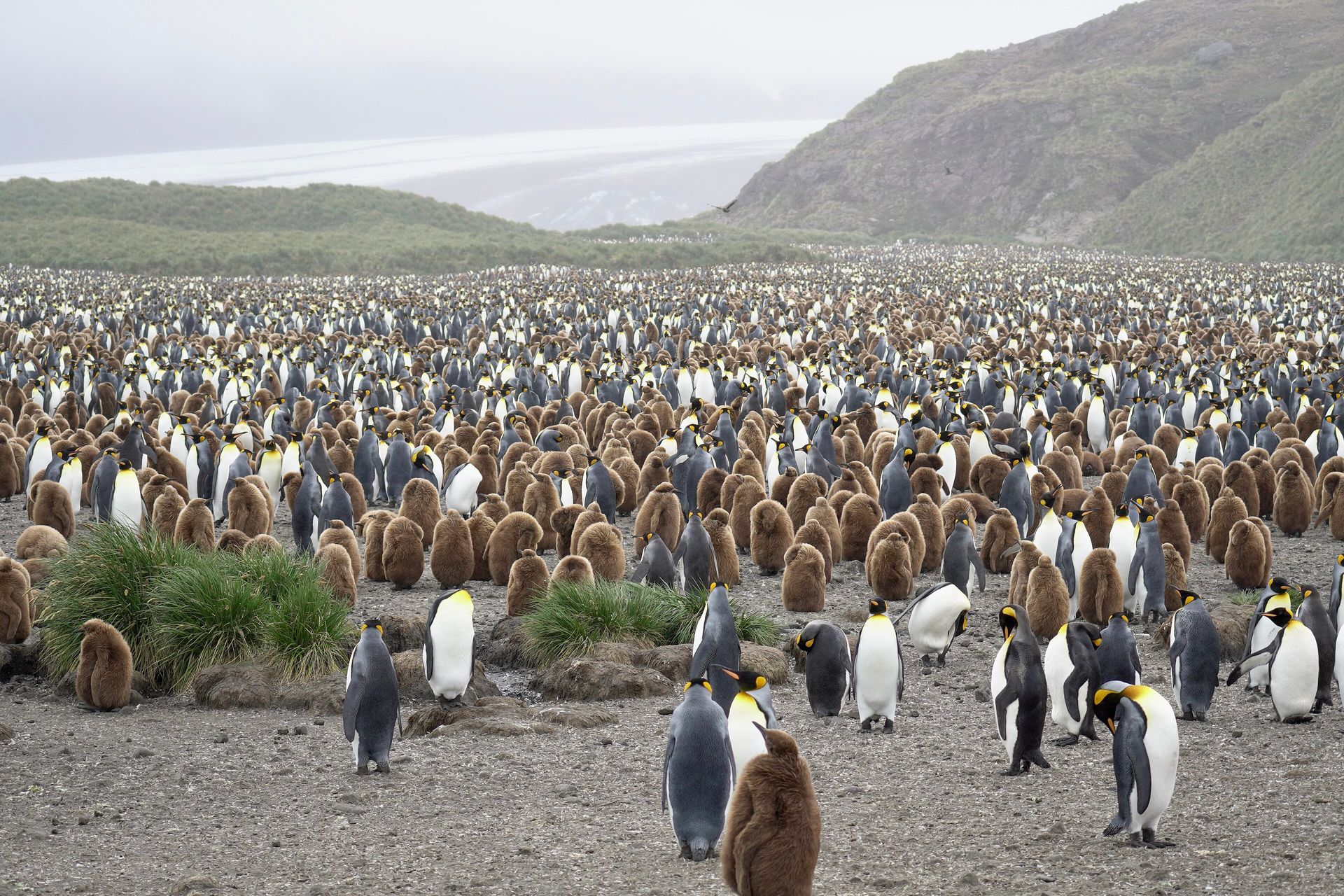
South Georgia
Where South Georgia is and how to visit it: which voyages go and what they cost, whether the extra week is worth it, the best months, the wildlife and the government's rules.
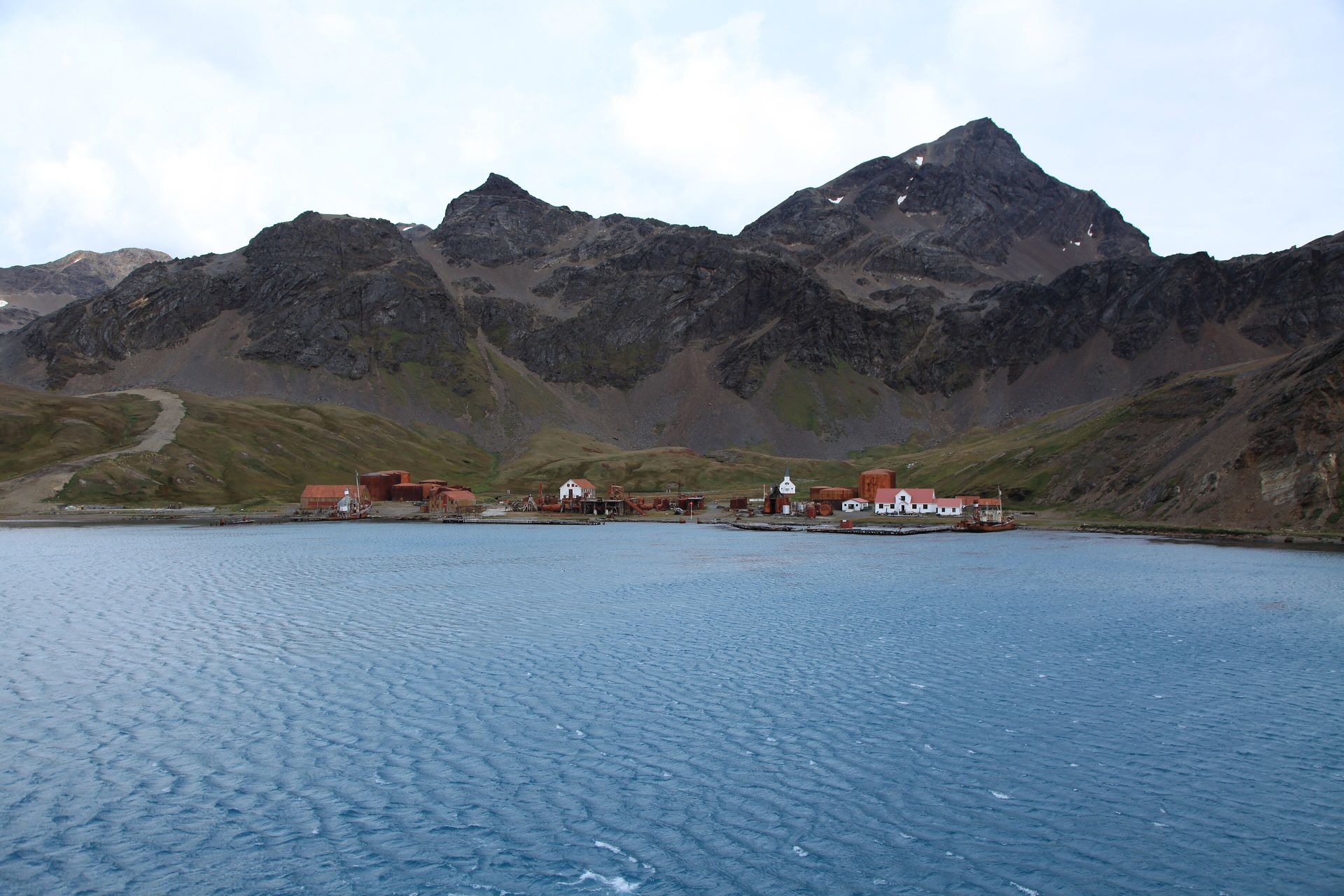
Grytviken
The South Georgia whaling station where Shackleton is buried: his grave, the museum and church, the government's landing rules and permit fee, and the voyages that call there.
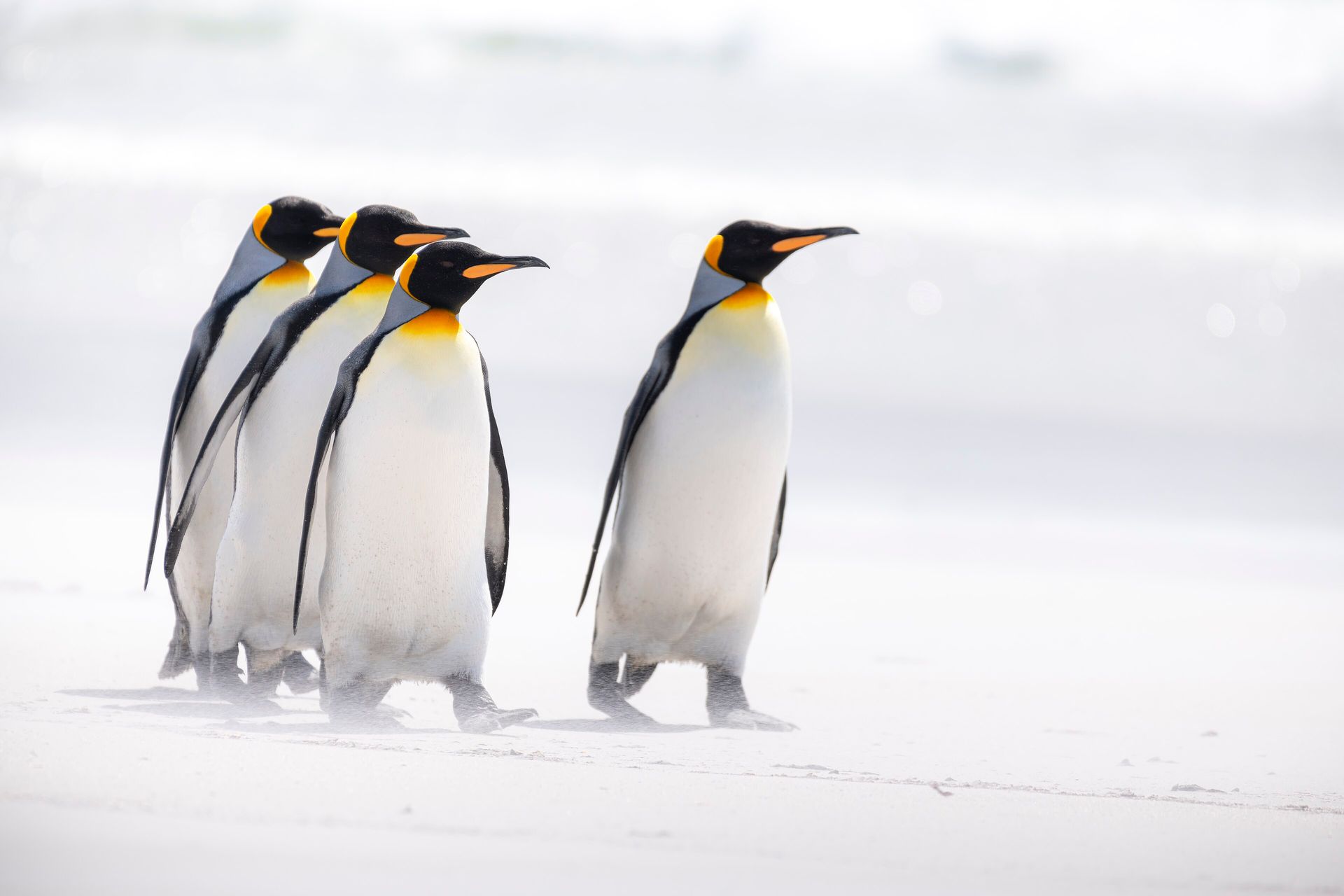
Falkland Islands
How to visit the Falkland Islands and what it costs: the weekly flight from Chile, the UK airbridge, the cruises that stop and their fares, the best penguin sites and months, and the rules.
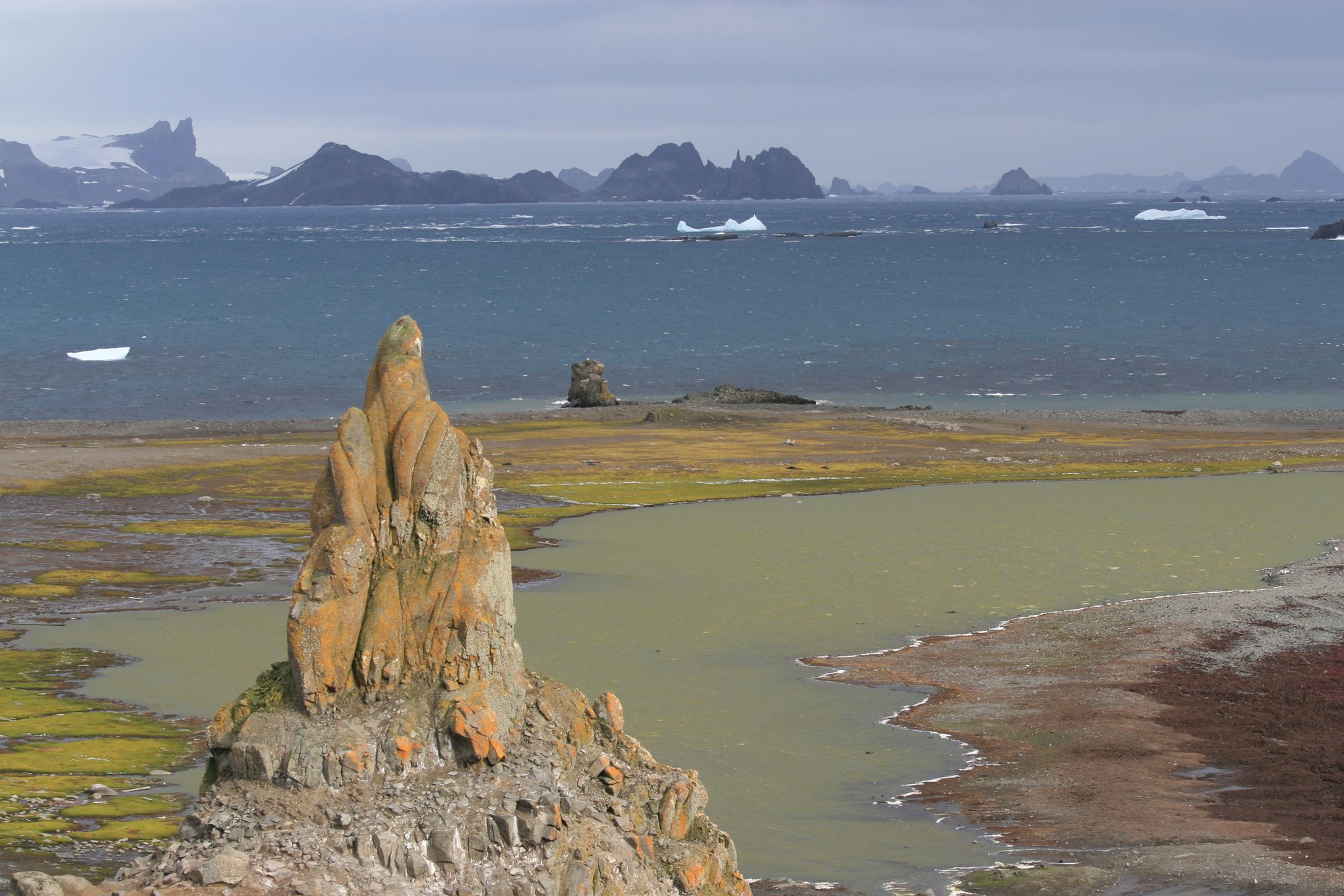
South Shetland Islands
The island chain most Antarctic cruises reach first: where it is, its dozen landing sites and how busy each is, the penguins and seals, the research stations and how to get there.
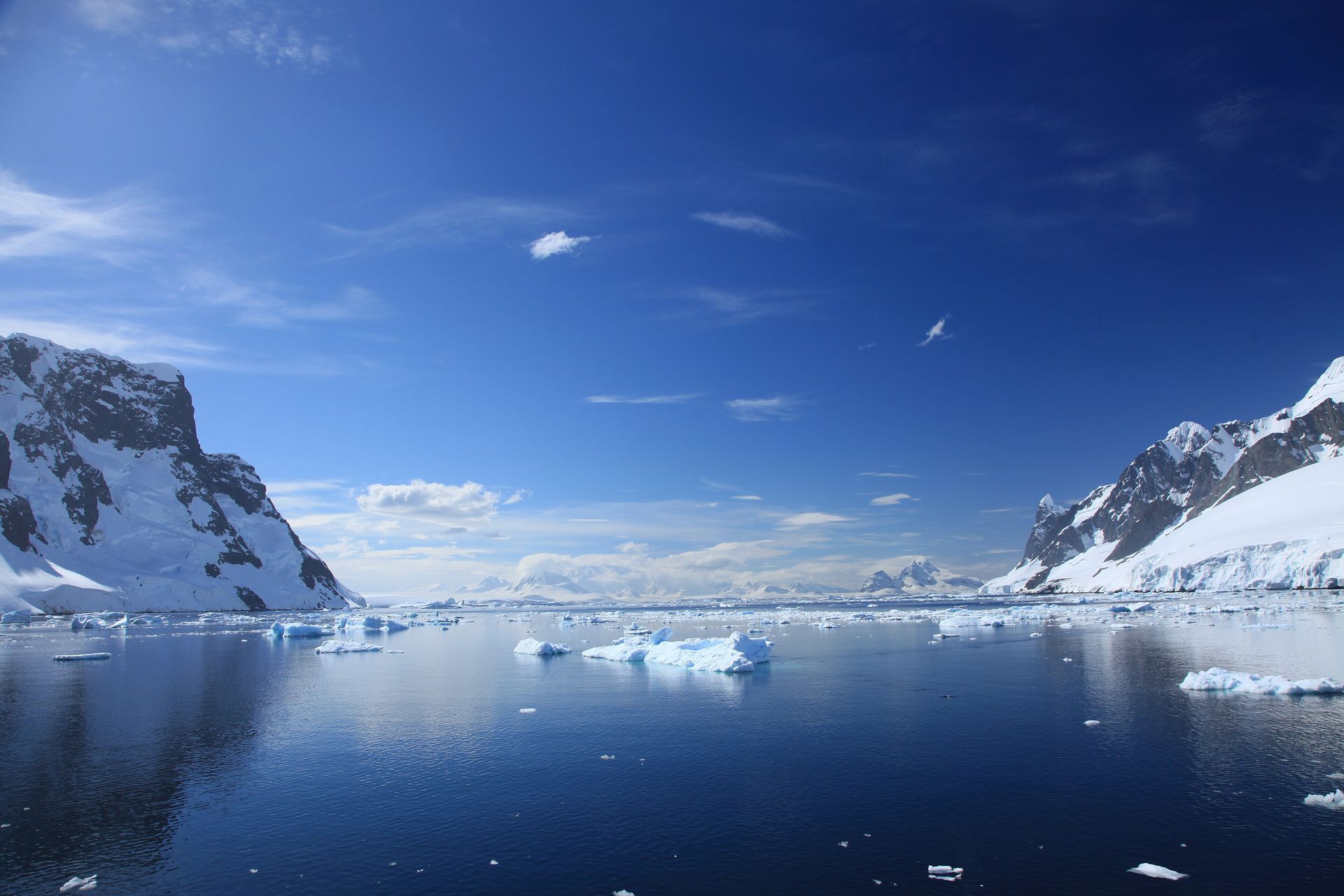
Antarctic Peninsula
Planning an Antarctic Peninsula cruise: how long trips last, where ships land, the best month by temperature and wildlife, landing rules, ship sizes and starting fares.
More polar wildlife
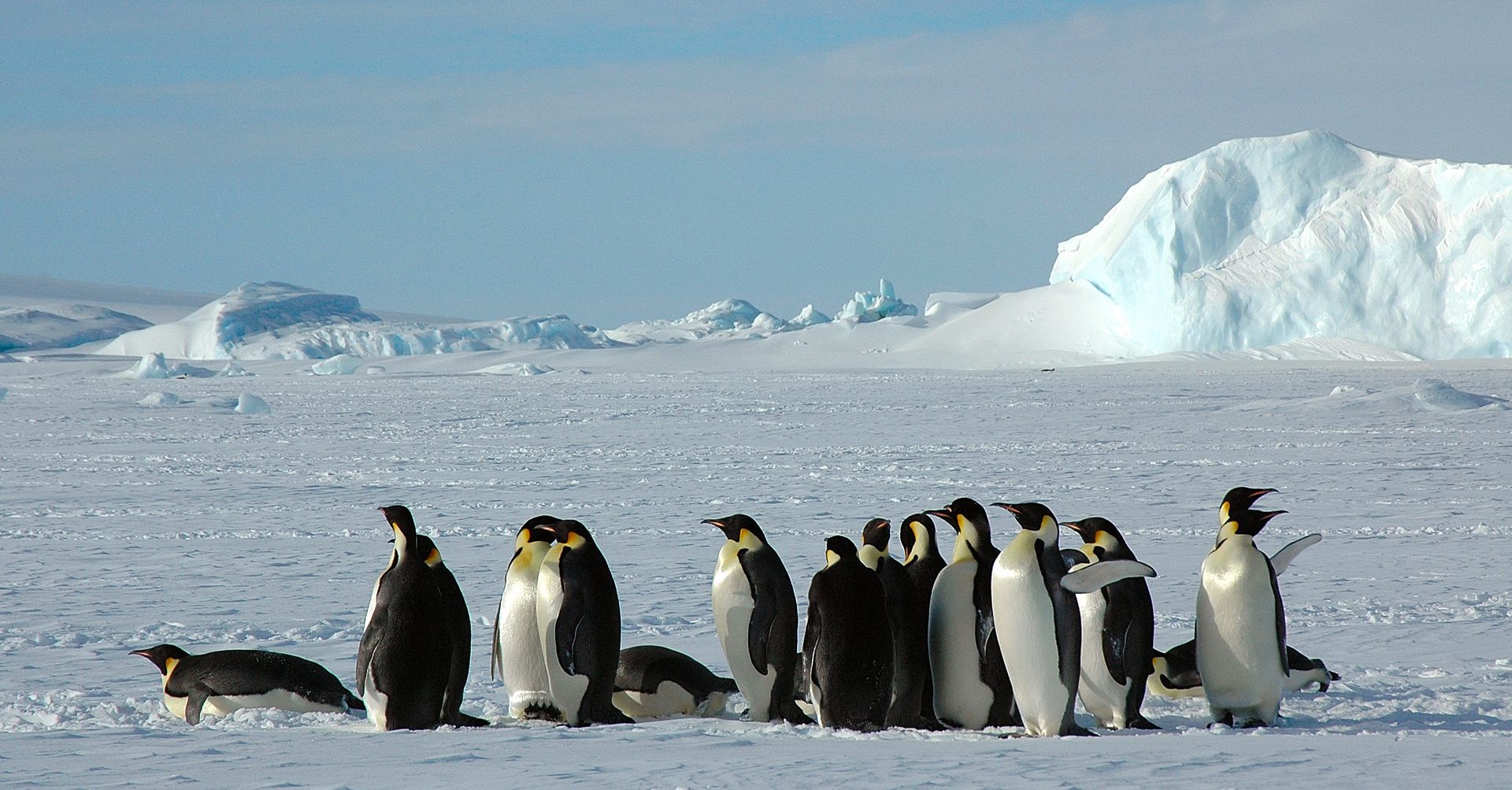
Emperor penguin
Where and how to see emperor penguins in the wild: why Antarctic Peninsula cruises miss them, which helicopter voyages and fly-in trips go to a colony and for how much, plus size, lifespan and conservation status.
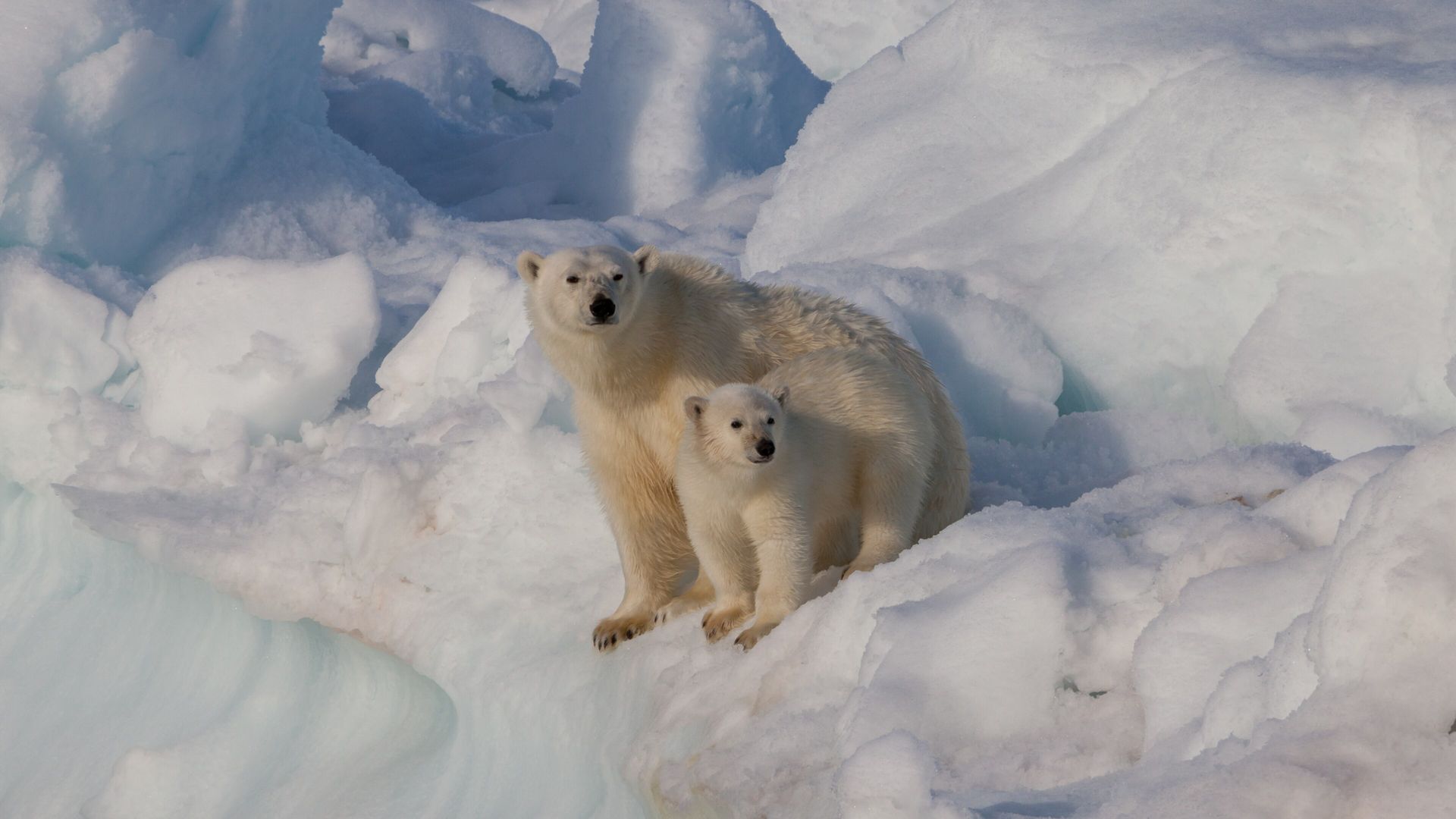
Polar bear
Where polar bears live and where to see them: Churchill in October and November, Svalbard by ship in summer, Kaktovik in Alaska, with odds, prices, the Svalbard distance and firearm rules, and why none live in Antarctica.
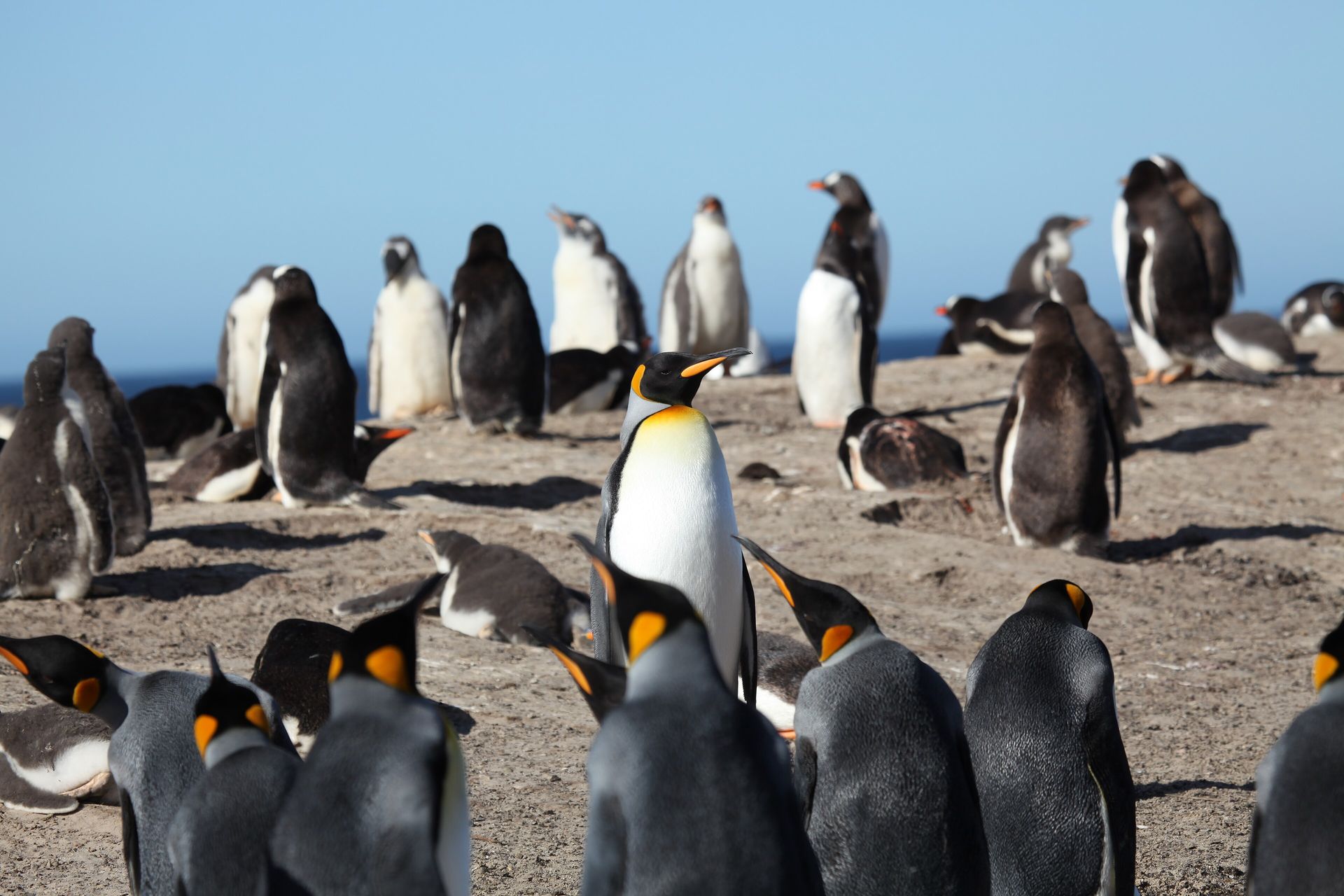
Penguin species
All 18 penguin species in one table, with scientific names, where each breeds, size and IUCN status, plus which ones you can see on an Antarctic, South Georgia, Falklands or Ross Sea trip.
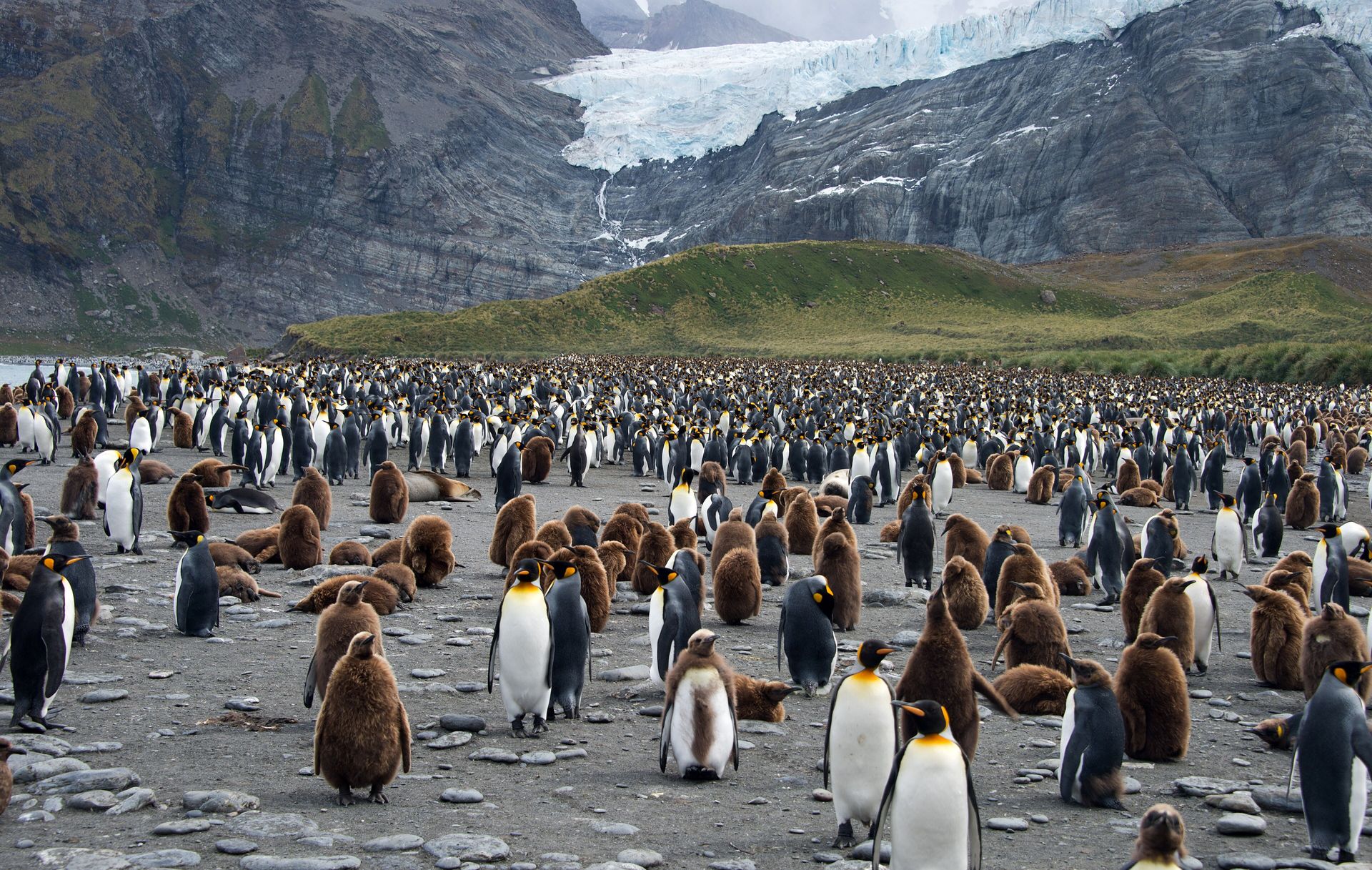
King penguin
King penguin facts for travelers: how many there are and where they breed, the South Georgia and Falklands landings that put you among them, the months for chicks, the voyages with the most time there, and the rules ashore.
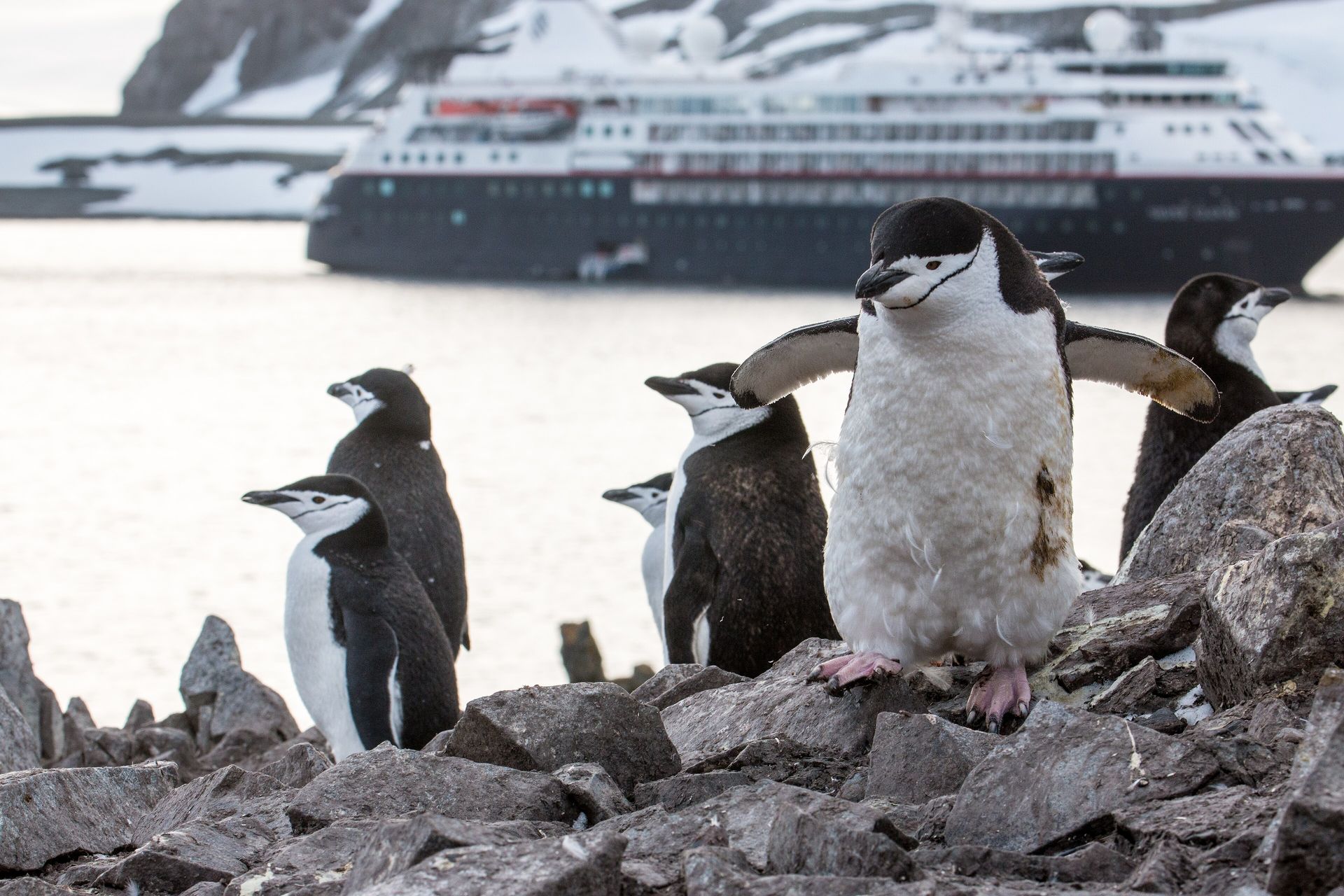
Chinstrap penguin
Chinstrap penguin facts for travelers: how many there are and where they breed, the South Shetland colonies ships land at and which ships may land, when the chicks hatch, the voyages that list them, and why numbers are falling.
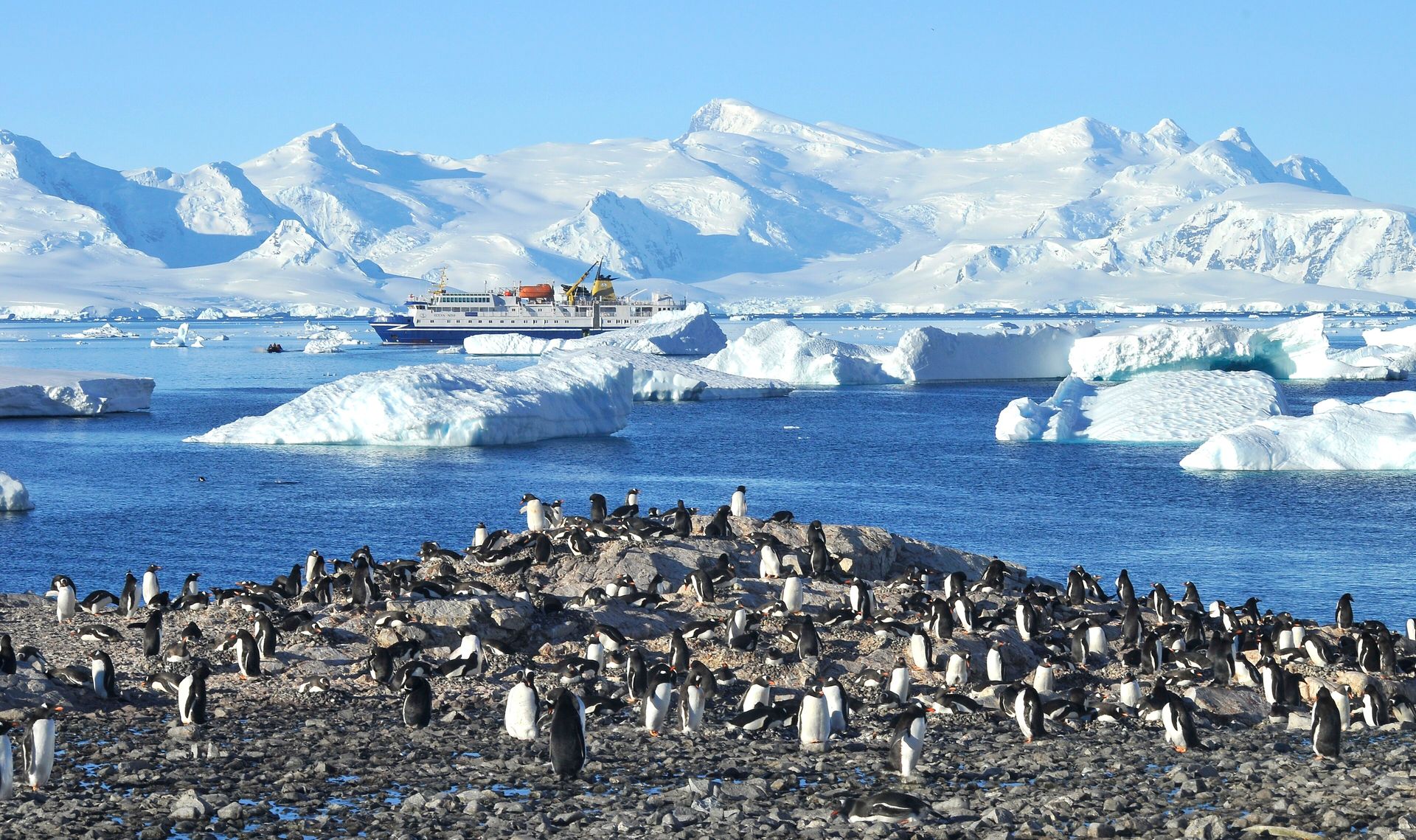
Gentoo penguin
Gentoo penguin facts for travelers: how many there are and where they breed, the Antarctic landings with the biggest colonies, when the chicks are out, the cheapest voyages that visit them, and why scientists now propose four species.
Sources
- 1.Macaroni penguin, Falklands Conservation. Accessed October 15, 2026.
- 2.Macaroni Penguin Eudyptes chrysolophus: species factsheet, BirdLife International (Data Zone). Accessed October 14, 2026.
- 3.Macaroni penguin, Australian Antarctic Division. Accessed October 15, 2026.
- 4.South Georgia Terrestrial Protected Area: description of the protected features (October 2023), Government of South Georgia & the South Sandwich Islands. Accessed October 14, 2026.
- 5.Penguin population collapse on volcanic island, British Antarctic Survey. Accessed October 15, 2026.
- 6.Population declines and changes in community composition at the world’s largest penguin colony (Current Biology, 2026), Ratcliffe et al., Current Biology; abstract on the British Antarctic Survey publications page. Accessed October 15, 2026.
- 7.Visiting South Georgia 2025-26: Information for Visitors and Operators, Government of South Georgia & the South Sandwich Islands. Accessed October 15, 2026.
- 8.Atlantic Odyssey, excl. Antarctic Peninsula, m/v Plancius, 4 to 27 April 2027 (PLA33-27), Oceanwide Expeditions. Accessed October 15, 2026.
- 9.South Georgia Annual Visitor Report 2022-23, Government of South Georgia & the South Sandwich Islands. Accessed October 15, 2026.
- 10.Pebble Island, Falkland Islands Tourist Board. Accessed October 15, 2026.
- 11.In Shackleton's Footsteps: Falklands, South Georgia and the Antarctic Peninsula, SH Minerva, Nov 20, 2026 (M3126112018), Swan Hellenic. Accessed October 15, 2026.
- 12.Site Guidelines for Visitors: Hannah Point, Livingston Island (ATCM, 2018), Secretariat of the Antarctic Treaty. Accessed October 15, 2026.
- 13.IAATO Operator Use of Antarctic Peninsula Landing Sites, 2025-26 Season Report and Five-Year Overview, with appendix tables (ATCM 48 IP 199), International Association of Antarctica Tour Operators (IAATO). Accessed October 15, 2026.
- 14.MAPPPD penguin census data for Cuverville Island, Half Moon Island, Jougla Point, Port Lockroy, Neko Harbor and Snow Hill Island (CSV export), Mapping Application for Penguin Populations and Projected Dynamics (MAPPPD), Lynch Lab, Stony Brook University and Oceanites. Accessed October 15, 2026.
- 15.Antarctic Penguins (public information leaflet, 2017), British Antarctic Survey (NERC). Accessed October 14, 2026.
- 16.Antarctica & South Georgia Air-Cruise (18 days, Fly South and Fly North versions): itinerary and inclusions, Antarctica21. Accessed October 15, 2026.
- 17.Find Your Expedition: every 2026-27 and 2027-28 departure with per-cabin prices and availability, Antarctica21. Accessed October 15, 2026.
- 18.South Georgia & Falklands Expedition Cruise (18 days, Santiago de Chile to Montevideo), HX Expeditions (Hurtigruten Expeditions). Accessed October 14, 2026.
- 19.HX Expeditions unveils new fleet enhancements for 2026 and beyond (press release, 1 September 2026), HX Expeditions (Mynewsdesk newsroom). Accessed October 14, 2026.
- 20.Dates & Rates: Antarctica & Arctic Cruises (m/v Ortelius and m/v Plancius tables, 2026-27 to 2027-28), Oceanwide Expeditions. Accessed October 15, 2026.
- 21.Falkland Islands, South Georgia, Antarctic Peninsula, m/v Plancius, 23 November to 11 December 2026 (PLA23-26), Oceanwide Expeditions. Accessed October 14, 2026.
- 22.m/v Plancius ship details (PDF), Oceanwide Expeditions. Accessed October 15, 2026.
- 23.South Georgia Annual Visitor Report 2023-24, Government of South Georgia & the South Sandwich Islands. Accessed October 15, 2026.
- 24.South Georgia Annual Visitor Report 2024-25, Government of South Georgia & the South Sandwich Islands. Accessed October 14, 2026.
- 25.Countryside Code, Falkland Islands Government Environment Unit (published by the Falkland Islands Tourist Board). Accessed October 15, 2026.
- 26.Rockhopper penguin, Falklands Conservation. Accessed October 15, 2026.
- 27.Southern Rockhopper Penguin Eudyptes chrysocome: species factsheet, BirdLife International (Data Zone). Accessed October 14, 2026.
- 28.Bird Island Research Station, British Antarctic Survey. Accessed October 14, 2026.
- 29.Emperor penguin and Antarctic fur seal now Endangered due to climate change: IUCN Red List (press release, 9 April 2026), IUCN (International Union for Conservation of Nature). Accessed October 14, 2026.